Skip to searchSkip to main content

โ€‹โ€‹Radar Level Transmitters

Reliable Non-Contact Measurement for Liquids and Bulk Solids

In modern industrial operations, radar level transmitters have become the gold standard for reliable, non-contact measurement of liquids and solids. These instruments work by emitting a microwave radar signal toward the process material and analyzing the time it takes for the signal to reflect back to the sensor. From this data, the device calculates the exact distance to the material surface and delivers a precise level reading.


Unlike ultrasonic or mechanical devices, microwave radar level measurement is not affected by temperature fluctuations, vapor, foam, or dust. This makes radar technology a trusted solution across demanding industries such as water treatment, chemical processing, food and beverage, mining, and bulk material storage. The ability to deliver accurate, repeatable measurements even in harsh conditions helps plants reduce downtime, improve inventory control, and maintain safer operations.

๐Ÿ‘‰ Schedule a consultation with Clipper Controls to explore UWT radar technology.
Contact us for application assistance!

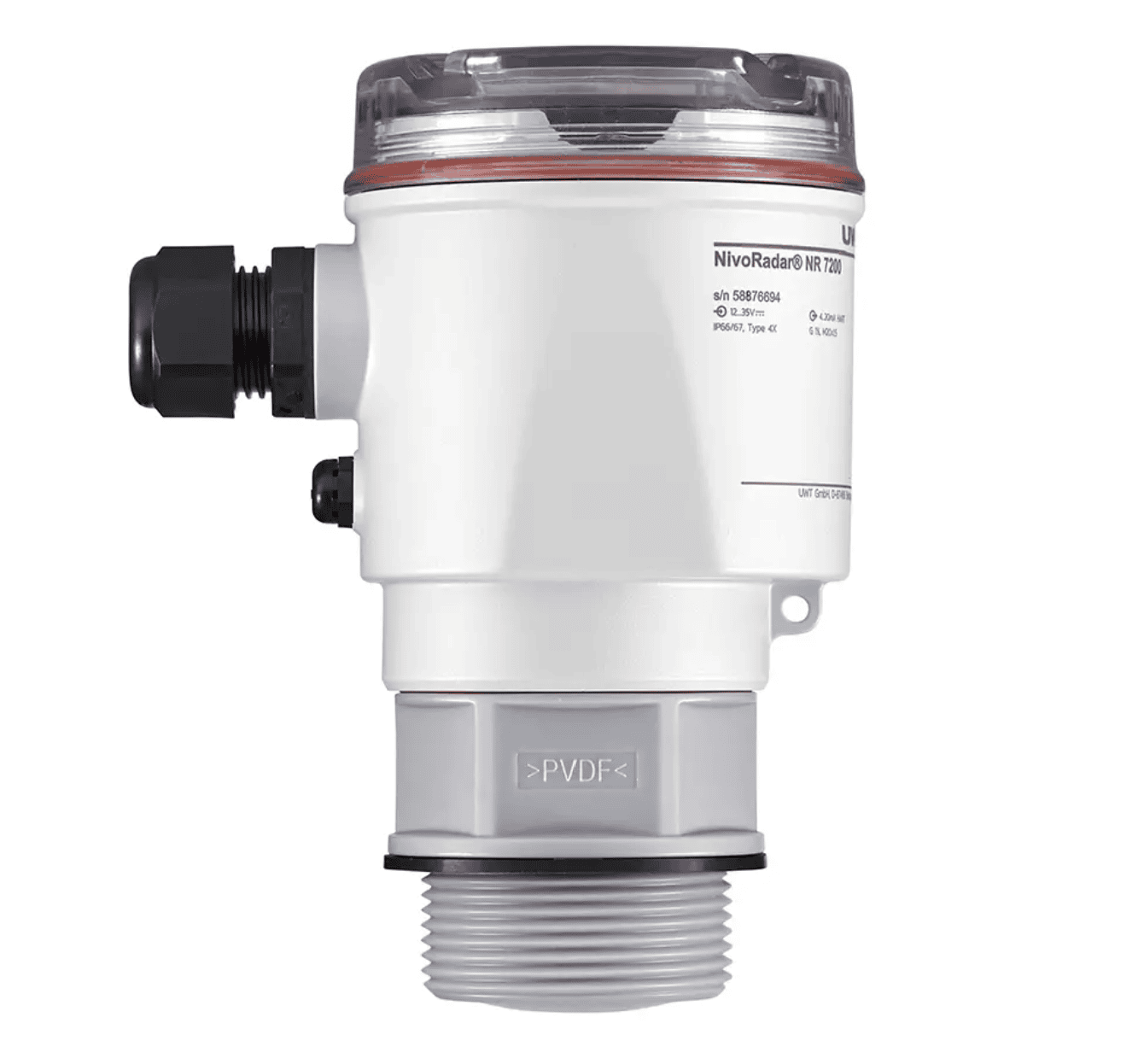
UWT Radar Level Transmitter
UWT Level Logo

โ€‹โ€‹Why Radar Technology Outperforms Other Level Sensors

When it comes to level monitoring, not all sensing technologies perform equally under challenging conditions. Ultrasonic sensors, for example, can be disrupted by temperature swings, heavy vapors, and foam, while mechanical devices require moving parts that wear over time and increase maintenance costs.

By contrast, radar level transmitters are immune to these limitations. Because they use microwave radar signals, they are unaffected by pressure, vapor, dust, or condensation inside the vessel. This ensures continuous radar level monitoring with stable, repeatable results in environments where other technologies struggle.
For operators, this reliability translates into measurable benefits:
  • Improved process safety by avoiding unexpected overfills or run-dry conditions.
  • Reduced downtime by minimizing sensor maintenance and calibration needs.
  • Greater confidence in data accuracy, even in harsh industrial environments.
With fewer interruptions and lower lifecycle costs, radar level sensors are increasingly the preferred choice for reliable level measurement under dust and vapor across critical industries.
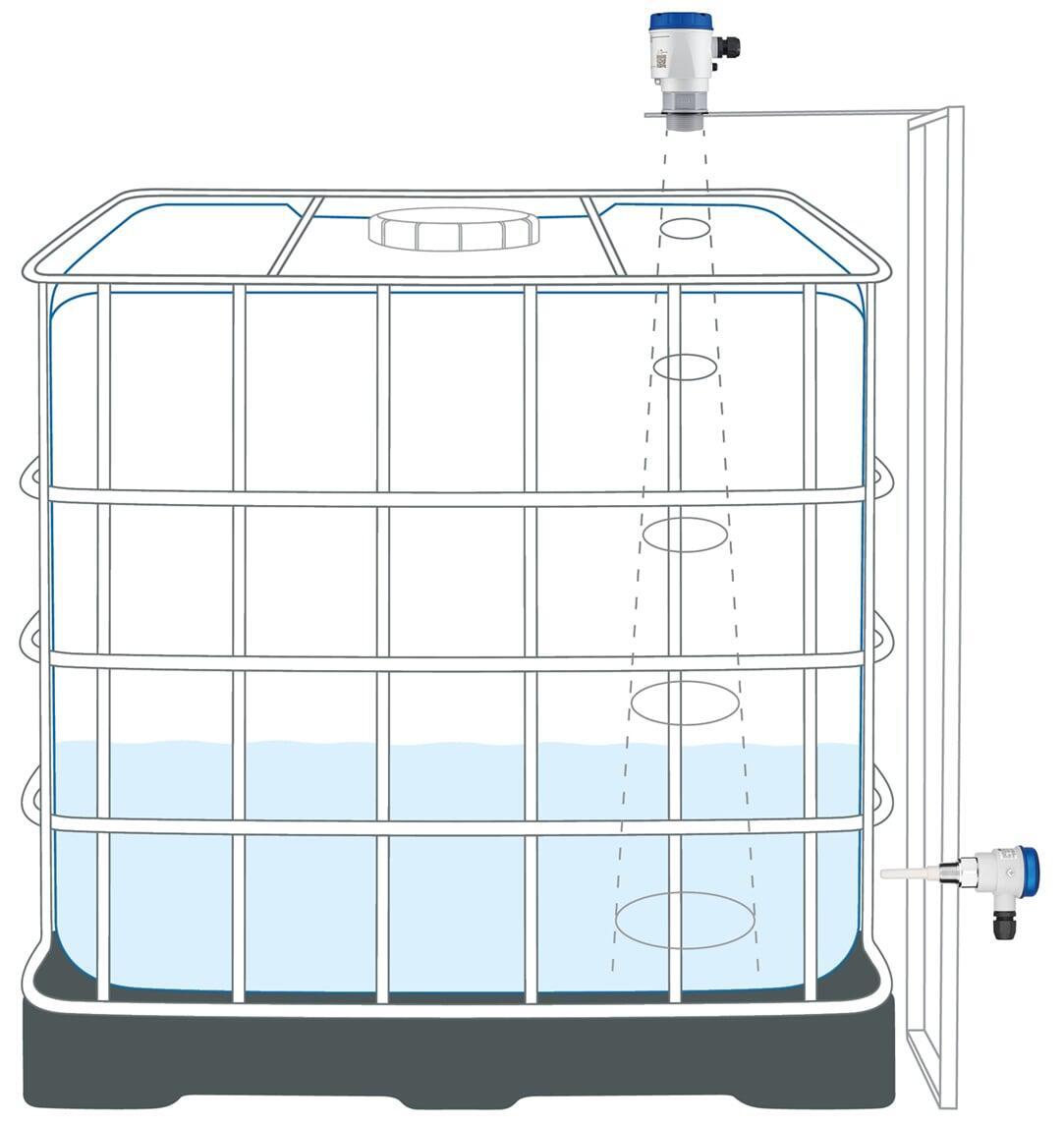
Illustration of an IBC container with radar sensors measuring liquid level from outside the tank, showing non-contact monitoring through the container wall and from the top.
Radar sensors can accurately monitor liquid levels in IBC tanks by measuring through container walls, eliminating the need for direct contact or tank modifications.

๐Ÿ‘‰ Get a personalized quote for your level measurement needs โ€” contact Clipper Controls.

โ€‹โ€‹Radar Level Transmitters for Bulk Solids
Monitoring bulk solids presents unique challenges that push many level technologies to their limits. Powders, grains, pellets, and other granular materials often create dust clouds, uneven surfaces, and irregular filling patterns that can disrupt ultrasonic or mechanical devices. In addition, silos and storage vessels for these materials can be extremely tall, requiring sensors with long measuring ranges and robust signal processing.

Traditional point-level switches or ultrasonic sensors often struggle under these conditions, leading to false alarms, missed measurements, and costly downtime. Radar level transmitters, however, excel in bulk solid applications because they provide continuous, non-contact measurement that is unaffected by dust density or silo height. By leveraging advanced signal processing, radar devices can distinguish between real material surfaces and interference caused by dust or vessel structures, giving operators the confidence they need to run processes efficiently and safely.
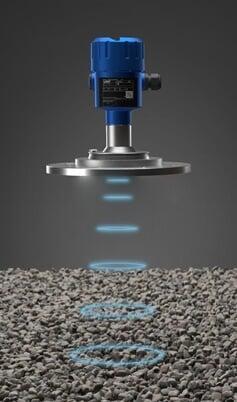
Radar level transmitter mounted above bulk solids, using microwave signals to measure material level without direct contact.
Radar level sensor measuring bulk solid materials (gravel) with non-contact precision.

This is where UWT bulk solids radar sensors excel. Designed specifically for these conditions, UWT radar transmitters provide:

  • Stable performance in dusty silos, ensuring reliable readings even during active filling.
  • Long-range measurement capabilities, making them suitable for deep storage vessels.
  • Advanced signal processing, which adapts to irregular material surfaces and prevents false readings.
  • Overfill protection, helping operators avoid costly product losses and safety risks.


By delivering precise radar level monitoring for powders and grains, UWT devices support consistent material flow, minimize unplanned downtime, and safeguard plant efficiency.

๐Ÿ‘‰ Find out which radar level transmitter is right for you โ€” contact us today for details and a quote.

โ€‹โ€‹Radar Level Sensors for Liquids and Slurries

In liquid and slurry applications, process conditions can shift rapidly. Foam formation, high vapor content, agitation, or fluctuating temperatures often cause traditional sensors to deliver unreliable data. Radar level transmitters overcome these challenges with their ability to cut through vapor, resist turbulence, and maintain accuracy regardless of changing conditions.

Common applications include:
  • Water and Wastewater Treatment โ€“ Monitoring tank levels, clarifiers, and chemical dosing systems with reliable accuracy.
  • Chemical Processing โ€“ Handling aggressive or hazardous fluids safely without direct sensor contact.
  • Food and Beverage Production โ€“ Managing ingredients and storage tanks while meeting sanitary and compliance standards.
  • Slurry Measurement โ€“ Ensuring dependable readings in thick, abrasive mixtures used in mining and industrial processes.

By ensuring accurate, non-contact level measurement in environments where other sensors fail, radar devices help facilities maintain inventory control, process efficiency, and regulatory compliance. This makes them a go-to solution for operators seeking reliability in liquid and slurry monitoring.

๐Ÿ‘‰ Learn more about how radar level transmitters can improve your operation โ€” reach out to Clipper Controls.

โ€‹โ€‹Smart and Connected Radar Level Devices

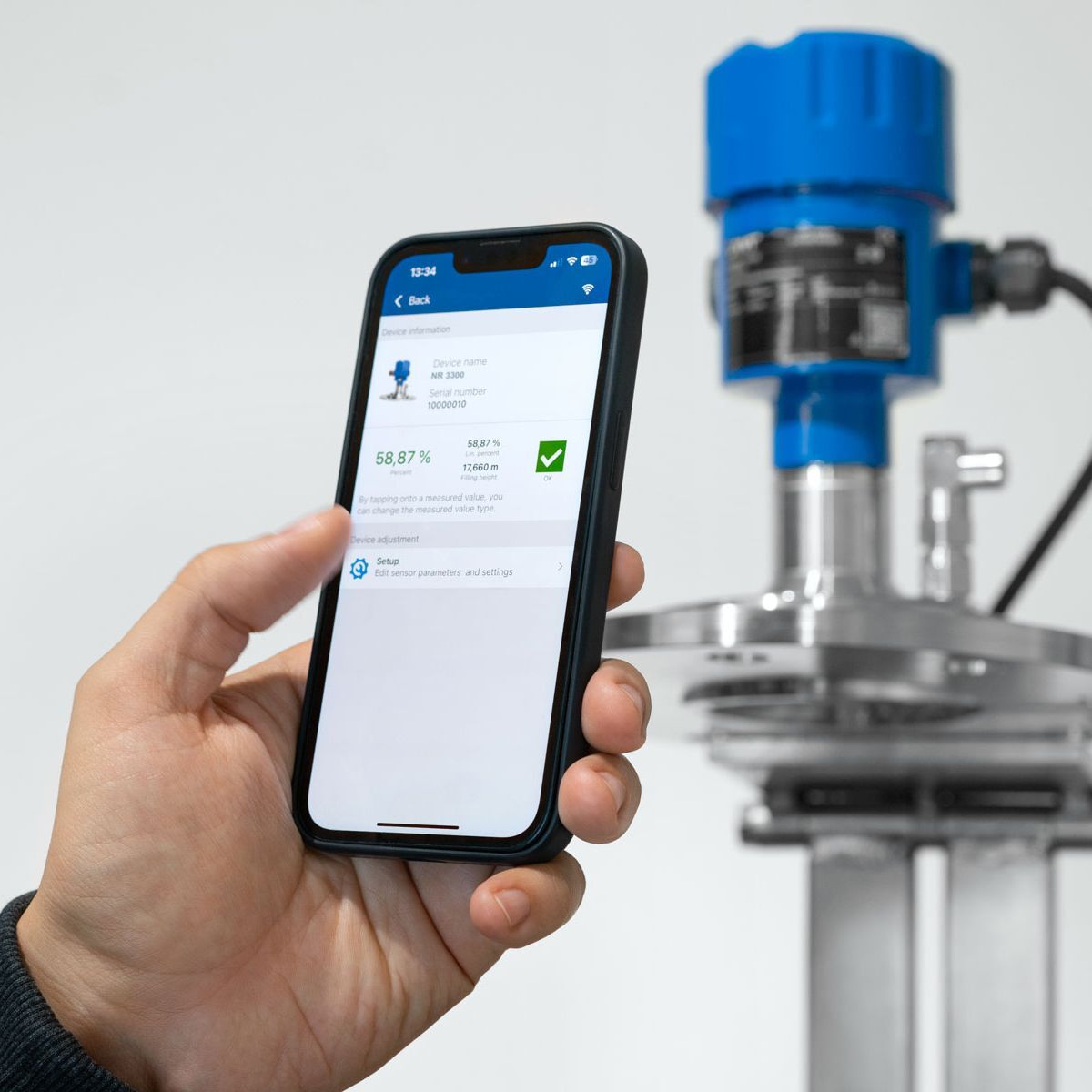
Modern radar level transmitters are more than just measurement tools โ€” they are becoming smart, connected instruments that streamline configuration and monitoring in ways that werenโ€™t possible a decade ago. With integrated Bluetooth technology, operators can now connect directly to a radar sensor using a smartphone or tablet, enabling quick setup, live data access, and fine-tuning without ever needing to physically interact with the device. Mobile applications provide intuitive interfaces that guide technicians through alignment, calibration, and diagnostics. 

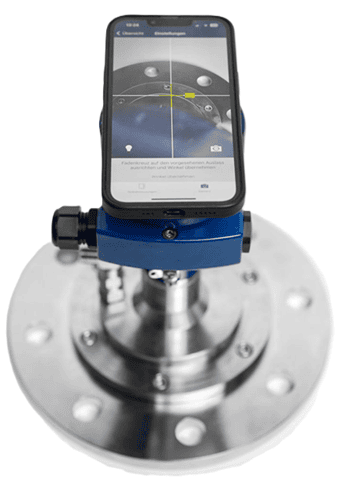
For example, crosshair tools displayed on the phone screen make it easy to verify that the sensor is aimed correctly, ensuring accurate measurements even in tall silos or irregular vessels. This shift from manual programming to mobile connectivity greatly reduces commissioning time and simplifies the learning curve for new users.

This connectivity not only improves convenience but also enhances safety and efficiency in daily operations. Instead of climbing silos or opening tanks to adjust instruments, technicians can access real-time data and configure devices from a safe distance. This reduces exposure to hazardous environments while also cutting maintenance time. For plants managing multiple vessels or remote facilities, wireless radar level measurement simplifies asset management and ensures that accurate level data is always at hand.

Key advantages of connected radar devices include:

  • Wireless configuration and diagnostics, reducing the need for physical access to difficult or hazardous installation points.
  • Mobile app integration, allowing technicians to check readings and adjust settings on-site or remotely.
  • Reduced commissioning time, with intuitive setup via smartphone rather than complex programming menus.
  • Remote performance optimization, making it easier to fine-tune devices without interrupting plant operations.
This move toward wireless radar level measurement empowers maintenance teams with faster, safer, and more efficient ways to manage level instrumentation. By combining advanced signal processing with smart connectivity, UWT ensures its transmitters meet the needs of todayโ€™s digital plants.
Hand holding smartphone displaying radar level transmitter data through a Bluetooth app, with the sensor visible in the background.
Wireless radar level transmitter with Bluetooth connectivity for easy setup and monitoring via smartphone.
Mobile phone displaying alignment interface for a Bluetooth-connected radar level transmitter, showing crosshair setup for calibration.
Smartphone app displaying Bluetooth-connected radar level transmitter setup and alignment.

๐Ÿ‘‰ Request technical information about radar level transmitters.

โ€‹โ€‹Choosing the Right Radar Level Transmitter

Selecting the right radar level transmitter depends on the specific demands of the process. Factors such as material type, vessel geometry, measurement range, and environmental conditions all play a role in determining which device will deliver the best results.

Key considerations include:

  • Process material โ€“ Liquids, slurries, powders, or grains each present unique measurement challenges.
  • Tank or silo geometry โ€“ Narrow vessels, angled walls, or very tall silos require advanced radar signal processing.
  • Environmental conditions โ€“ Dust, vapor, pressure, or extreme temperatures may influence the choice of radar frequency and antenna design.
  • Required accuracy โ€“ High-precision applications, such as dosing or inventory management, demand the most advanced radar level devices.

UWT radar technology is engineered to address these variables with a wide portfolio of solutions. From bulk solids radar sensors with long-range capability to liquid and slurry transmitters that thrive in foaming or vapor-heavy environments, UWT products deliver consistent accuracy and reliability.

Partnering with Clipper Controls ensures the right fit for every application. Our experts help evaluate process requirements and specify the ideal radar solution โ€” reducing risk, improving efficiency, and enhancing plant safety.

๐Ÿ‘‰ Get detailed product specifications: request a datasheet for UWT radar level sensors.
Clipper Controls Logo
UWT Level Logo