Improving Milk Standardization with Real-Time Measurement
Milk is a natural product, and its fat, protein, and solids content can vary depending on the season, the herd, and even the time of milking. For dairies, this variability poses challenges in ensuring that every product—whether it’s bottled milk, yogurt, or cheese—meets strict quality and regulatory standards.
Milk standardization is the process of adjusting fat and protein levels to achieve consistent, repeatable results across production batches.
Standardization ensures:
- Regulatory compliance – meeting national and international guidelines for fat and protein content.
- Product consistency – delivering the same taste, texture, and nutritional profile consumers expect.
- Brand protection – building consumer trust through reliable quality control.
Traditionally, dairies have relied on laboratory testing to verify standardized milk composition. However, this approach is inherently reactive: by the time lab results return, production may already be complete. Delays like this can result in waste, rework, or costly compliance risks.
With consumer demand for consistency rising and regulations becoming stricter, dairies need more real-time visibility into their production process. This is where advanced dairy process sensors are transforming how milk is standardized.
👉 Learn more about process analyzers from Clipper Controls.
Challenges with Traditional Testing
For decades, dairies have depended on laboratory testing to verify milk composition before products are released. While accurate, this method comes with several limitations that make it less suitable for today’s fast-moving production environments:
- Delays in feedback – Lab testing requires sampling, transporting, and analyzing milk, which means results may not be available until hours later. During that time, production continues, and off-spec milk may already be packaged.
- Sampling errors – A small sample may not always represent the full batch, especially if fat and protein levels vary during processing. This increases the risk of inconsistent results.
- Increased waste and rework – If a lab test reveals that a batch falls outside compliance limits, the milk may need to be reprocessed or discarded, wasting valuable raw materials and production time.
- Compliance risks – Regulators demand precise records of fat, protein, and solids. Relying only on delayed lab results makes it harder for dairies to prove consistent compliance during audits.
In today’s competitive dairy market, where efficiency and consistency are critical, these limitations make it clear that traditional testing is no longer enough. Dairies need solutions that can deliver real-time analysis, continuous monitoring, and automated adjustments—all while reducing waste and protecting compliance.
Real-Time Transformation with Inline Process Sensors
Modern dairies are overcoming the limitations of traditional lab testing by adopting inline process sensors that deliver continuous, real-time data on milk composition. Instead of waiting for lab results, dairies can monitor fat, protein, and total solids directly in the production line.
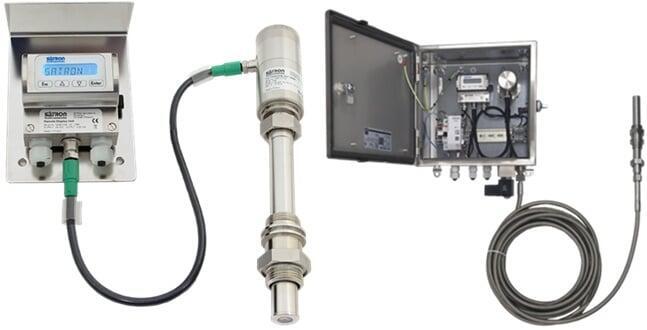
Satron inline sensors are designed specifically for food and dairy applications, providing precise measurement without interrupting production. Installed directly into pipelines or tanks, these sensors continuously analyze milk as it flows, enabling processors to:
- Measure fat and protein content in real time
- Standardize milk automatically before it reaches packaging
- Reduce sampling errors by capturing live process data
- Respond instantly to any deviation from target values
Because the sensors integrate with existing automation and process control systems, adjustments can be made immediately. This means dairies can ensure every liter of milk meets exact standards, reducing the risk of waste while enhancing efficiency.
By shifting from reactive lab testing to proactive, continuous monitoring, dairies gain greater control over quality, consistency, and compliance—while keeping production running smoothly.
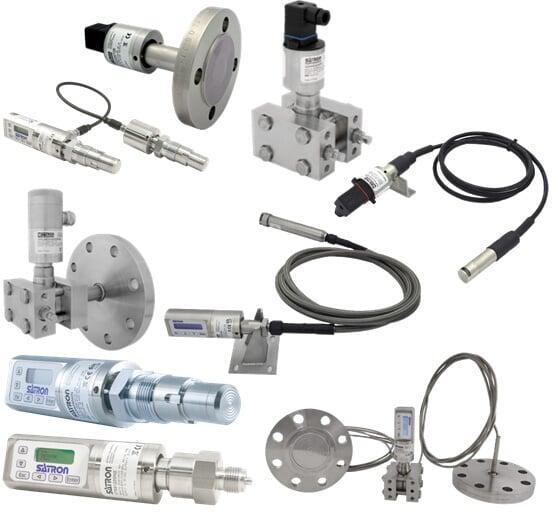
👉 Contact Clipper Controls today to request more information and datasheets to support your inline dairy process.
Benefits for Dairy Process Engineers
Implementing real-time inline sensors in milk standardization offers significant advantages for dairy process engineers who are tasked with balancing efficiency, compliance, and product quality.
- Consistent Quality - Continuous measurement ensures that every batch of milk meets the precise fat and protein specifications required for consumer products. This protects brand reputation and reduces variability across different production runs.
- Faster Production Turnaround - With real-time feedback, adjustments can be made instantly, eliminating waiting periods for lab results. This leads to shorter cycle times and improved plant throughput.
- Reduced Waste and Cost Savings - By detecting deviations immediately, dairies can avoid producing large off-spec volumes. Optimized fat and protein usage also means better yield from raw milk, resulting in measurable cost reductions.
- Compliance Made Simple - Inline sensors provide continuous records of fat, protein, and solids content, creating a digital compliance trail that can be shared directly during audits. This minimizes paperwork and reduces regulatory risk.
- Smarter Process Control - Integration with automation systems allows engineers to fine-tune processes continuously, enabling predictive adjustments rather than reactive corrections.
For dairy engineers, these benefits add up to more efficient operations, lower operating costs, and greater confidence in meeting strict industry standards.
👉 Check out Satron Instruments and see how their specialized dairy instrumentation can help your facility.
Practical Applications in Modern Dairies
Real-time measurement technology doesn’t just improve general process control—it enables specific, high-value applications across different dairy operations. Some of the most impactful uses include:
Fat and Protein Standardization Before Packaging
Inline sensors allow dairies to standardize milk fat and protein levels just before final packaging, ensuring every carton or bottle meets exact specifications without relying on post-production adjustments.
Optimizing Cheese and Yogurt Production
Cheese and yogurt manufacturing depend heavily on accurate solids content for yield and texture. Continuous monitoring of milk solids helps processors fine-tune recipes, improve consistency, and reduce waste during fermentation.
Continuous Monitoring in Blending Processes
When blending milk streams from different sources, real-time measurement ensures the combined product consistently meets required standards. This minimizes the risk of costly reblending or product rejection.
Process Data for Ongoing Optimization
By feeding live composition data into plant automation systems, dairies can use historical trends to improve performance over time—supporting predictive maintenance, improved yield, and better use of resources.
In every case, continuous milk monitoring helps dairies deliver higher quality products, reduce operational risks, and increase overall efficiency.
The Role of Satron Sensors in Dairy Process Optimization
Among the leading technologies for real-time dairy measurement, Satron inline sensors stand out for their precision, reliability, and ease of integration. Designed for demanding food and dairy environments, these sensors continuously measure fat, protein, and total solids—the key parameters that determine product quality and compliance.
Key Features of Satron Inline Sensors
- High accuracy – delivers precise measurements across a wide range of milk compositions.
- Hygienic design – built to meet strict dairy sanitation requirements with CIP/SIP compatibility.
- Easy integration – connects seamlessly with automation, SCADA, and plant process control systems.
- Continuous monitoring – enables dairies to make live adjustments and avoid costly deviations.
- Durability – engineered for long-term performance in high-throughput production environments.
Benefits for Dairy Operations
By using Satron technology, dairies can move beyond batch testing and implement continuous, automated quality control. This not only reduces waste and improves compliance but also supports broader goals in dairy efficiency improvement and process automation.
With Satron’s real-time dairy measurement solutions, process engineers gain full visibility into milk composition, creating opportunities for smarter decision-making and long-term optimization.
👉 Contact Clipper Controls today to schedule an on-site visit at your dairy processing business in California, Nevada, or Hawaii.
Future of Dairy Standardization: Data-Driven Automation
As dairy operations continue to modernize, data-driven automation is becoming central to milk standardization. Real-time sensors like Satron’s not only measure composition but also generate valuable datasets that can be used to improve long-term efficiency.
Predictive Quality Assurance
By analyzing trends in fat, protein, and solids content, dairies can anticipate variations before they occur. This enables predictive adjustments to standardization, reducing the chance of non-compliant batches.
Integration with Digital Systems
When paired with advanced process control software, inline sensor data can be centralized for compliance reporting, performance monitoring, and optimization across multiple production sites.
Toward Fully Automated Standardization
The ultimate goal for many dairies is to achieve closed-loop control, where inline analyzers continuously monitor milk composition and automation systems adjust the process in real time without manual intervention. This reduces reliance on lab testing and human oversight while ensuring every product meets regulatory and quality standards.
Enhanced Traceability and Compliance
Digital data trails from inline analyzers make it easier to provide verifiable compliance records during regulatory audits. This shift from paper logs to automated reporting strengthens both accountability and transparency in dairy operations.
By embracing automation and data integration, dairies can move beyond compliance to unlock new levels of efficiency, traceability, and profitability.


 Toll Free
