Skip to searchSkip to main content

​A Guide to Selecting UV Flame Sensors for GE Gas Turbines
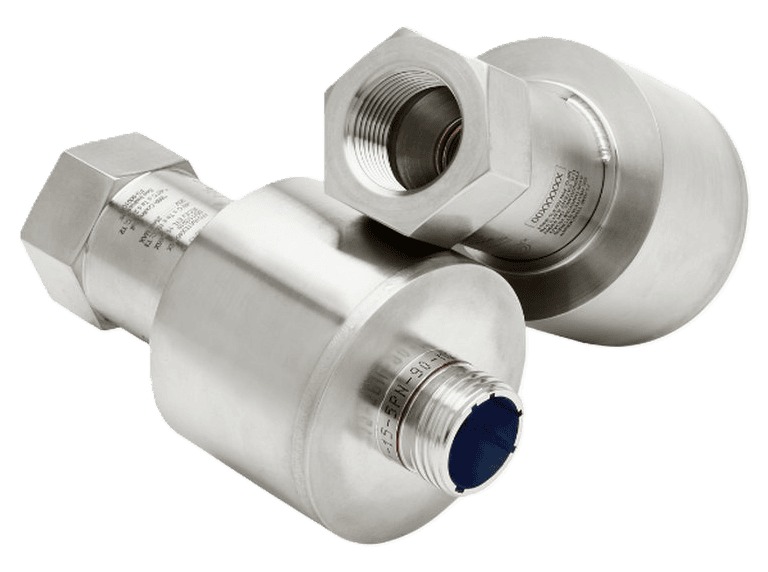
In gas turbine operations, reliable flame detection is not optional—it is fundamental to both safety and performance. A UV flame sensor ensures that combustion is present and stable, triggering an immediate alarm or shutdown if a flameout occurs. Without this layer of protection, operators face the risk of fuel buildup, unplanned trips, or catastrophic turbine damage.

UV Flame Sensor for GE Turbines
In gas turbine operations, reliable flame detection is not optional—it is fundamental to both safety and performance. A UV flame sensor ensures that combustion is present and stable, triggering an immediate alarm or shutdown if a flameout occurs. Without this layer of protection, operators face the risk of fuel buildup, unplanned trips, or catastrophic turbine damage.

For power plant teams tasked with keeping assets online, downtime can mean hundreds of thousands of dollars in lost generation revenue per day. Fast and accurate flame detection helps prevent nuisance trips while still reacting instantly to real hazards, striking the balance between reliability and safety.

Unlike generic flame detection devices, sensors designed specifically for GE turbines must perform under demanding conditions:
  • Rapid response in milliseconds to avoid unsafe fuel accumulation
  • Consistent operation in high-heat turbine compartments
  • Reliability in steam-injected and low-NOx combustion environments, where traditional sensors may fail

By selecting a purpose-built UV flame sensor, maintenance managers and engineers can minimize operational risks, extend turbine life, and ensure regulatory compliance for combustion safety.

👉 Request a datasheet from Clipper Controls, Reuter Stokes' manufacturer's representative for California, Nevada, and Hawaii.

​Key Factors in Selecting UV Flame Sensors for GE Turbines

Choosing the right UV flame sensor is not just about replacing a part—it’s about ensuring long-term turbine reliability and safe operation under real-world conditions. When evaluating options for GE gas turbines, plant engineers and maintenance teams should prioritize the following factors:

1. Response Speed
In combustion monitoring, milliseconds matter. A high-performance UV flame sensor should detect flame presence in less than 0.025 seconds, providing instant confirmation of stable combustion. This rapid response reduces the risk of fuel pooling and turbine trips, both of which can result in costly downtime.

2. Durability in Harsh Environments
GE gas turbines often operate in extreme environments that push sensors to their limits. Exposure to high temperatures, vibration, moisture, and gas fog can degrade sensor performance over time. Selecting a UV sensor built with advanced materials—such as silica-carbide (SiC) photodiodes—ensures durability even in low-NOx and steam-injected systems where traditional sensors may fail.

3. Compatibility with GE Specifications
Not all flame sensors are engineered to meet the exacting requirements of GE turbine models. Ensuring compatibility with LM2500, LM5000, LM6000, and LMS100 turbines is critical to avoiding integration issues. A sensor designed and tested specifically for these platforms guarantees seamless operation and maintains compliance with OEM standards.

4. Reliability Across the Lifecycle
A flame sensor’s true value lies in consistent performance over thousands of operational hours. Beyond initial installation, the best solutions minimize false trips, reduce maintenance needs, and extend turbine uptime. Evaluating a sensor’s track record in the field helps ensure it delivers value not just on day one, but for years to come.

​Reuter-Stokes Flame Tracker™ Sensors

Among the available options for GE turbine flame detection, Reuter-Stokes Flame Tracker™ sensors stand out as a proven, OEM-trusted solution. Built on decades of experience in high-reliability UV detection, these sensors are engineered specifically for the operational demands of GE’s aeroderivative turbine fleet.

​Advanced Technology: SiC Photodiode Detection

At the heart of the Flame Tracker™ is a silicon carbide (SiC) photodiode, a material known for its high sensitivity to ultraviolet radiation and resistance to thermal degradation. This design allows for detection speeds under 0.025 seconds, ensuring near-instant response to changes in combustion conditions.

​Performance in Challenging Conditions

Reuter-Stokes sensors have been field-tested in the toughest environments, maintaining accuracy even in:

  • Low-NOx combustion systems, where flame signals are weaker

  • Steam-injected turbines, where moisture can obscure detection

  • Gas-fog operating conditions, where reliability is often compromised

This robust performance makes them especially valuable for facilities under pressure to meet emissions goals while preserving uptime.

​Proven Reliability Worldwide

With more than 500 million operating hours and over 25 years of successful deployment, Flame Tracker™ sensors have earned a reputation for reliability across the global power generation sector. Operators of GE LM2500, LM5000, LM6000, and LMS100 turbines benefit from sensors that consistently perform in both base-load and peaking service.

​Trusted Partner for GE Turbine Applications

Because Reuter-Stokes designs specifically for GE turbine compatibility, operators avoid costly trial-and-error with generic alternatives. This alignment with OEM specifications ensures both safety and compliance while simplifying procurement and installation.


UV Flame Sensor for GE Turbines

👉 Discover the proven reliability of Reuter-Stokes UV flame sensors. Contact Clipper Controls to find the right replacement for your GE turbine model.

​Evaluating Suppliers for Lifecycle Value and Reliability

Selecting the right flame sensor is only part of the equation. Equally important is choosing a supplier who can deliver long-term support, ensure proper integration, and provide value across the lifecycle of your GE gas turbines.

Beyond Initial Cost
While upfront price is a factor, turbine operators must consider the true cost of ownership. A lower-cost flame sensor that fails prematurely or causes nuisance trips can quickly erode any savings through downtime, replacement expenses, or lost generation revenue. Investing in high-reliability solutions reduces these risks and maximizes turbine availability.

OEM Alignment and Technical Expertise
GE turbine operators benefit from suppliers who understand the specific requirements of LM2500, LM5000, LM6000, and LMS100 models. Partnering with a supplier experienced in GE applications ensures that sensors are properly specified, installed, and supported throughout their service life.

Maintenance and Replacement Support
A reliable supplier should also provide access to spare parts, technical support, and training for on-site teams. This ensures that when sensors do require replacement, downtime is minimized and compliance with safety standards is maintained.

Why Work with Clipper Controls
As a distributor for leading manufacturers like Reuter-Stokes, Clipper Controls brings both product expertise and application knowledge to every turbine project. From initial specification to long-term support, our team helps plant engineers and maintenance managers make confident decisions that protect both equipment and operations.

👉 Implement best practices with confidence—get expert field support for flame sensor installation from Clipper Controls.


Clipper Controls Logo
Reuter Stokes Logo