Automatic Water Samplers for Stormwater Monitoring
Stormwater runoff is one of the most significant pathways through which pollutants enter rivers, lakes, and coastal waters. During rain events, stormwater can carry sediments, nutrients, heavy metals, and other contaminants from streets, construction sites, and industrial facilities into receiving waters. Without proper monitoring, these discharges can compromise water quality, harm aquatic ecosystems, and pose risks to human health.
From a regulatory perspective, stormwater monitoring is essential for meeting National Pollutant Discharge Elimination System (NPDES) requirements, including Municipal Separate Storm Sewer System (MS4) permits. These programs require municipalities, industrial sites, and construction operators to demonstrate that they are actively managing and monitoring stormwater discharges.
A key challenge in stormwater compliance is ensuring that data represents the true nature of runoff during storm events. Regulatory agencies often require sampling of the “first flush” — the initial runoff that typically carries the highest pollutant loads. Collecting this type of data consistently and safely requires reliable equipment that can operate under unpredictable storm conditions.
In this context, accurate and representative stormwater sample collection is not just a regulatory checkbox; it is a cornerstone of effective environmental protection. Organizations that prioritize monitoring can reduce their environmental impact, maintain permit compliance, and build credibility with regulators and communities.
👉 Learn more about automatic water samplers from Clipper Controls, Teledyne ISCO's manufacturer's representative for California, Nevada, and Hawaii.
The Limitations of Manual Sampling During Storm Events
While manual stormwater sampling has long been used for compliance programs, it presents significant challenges when compared with automated solutions. Manual grab samples are often taken when staff are available, not necessarily when pollutants are most concentrated. This can result in biased or incomplete data that fails to capture critical “first flush” runoff conditions.
Safety is another concern. Collecting samples during heavy rain, at night, or near fast-moving flows exposes field personnel to unnecessary risks. Many organizations struggle to staff storm events around the clock, meaning important data may simply be missed.
From a compliance perspective, regulators expect samples that are representative of storm conditions—not just what can be collected conveniently. Manual methods often leave gaps in reporting, which can make it harder to demonstrate full compliance with NPDES stormwater permits and MS4 stormwater monitoring requirements.
In addition, manual sampling places a heavy labor burden on organizations. Staff must be mobilized quickly, often on short notice, to meet permit conditions. Over time, this reactive approach increases costs while providing less reliable data.
By understanding the limitations of manual methods, it becomes clear why more facilities and municipalities are turning to automated systems to meet their monitoring and reporting obligations.
How Automatic Water Samplers Support Reliable Stormwater Monitoring
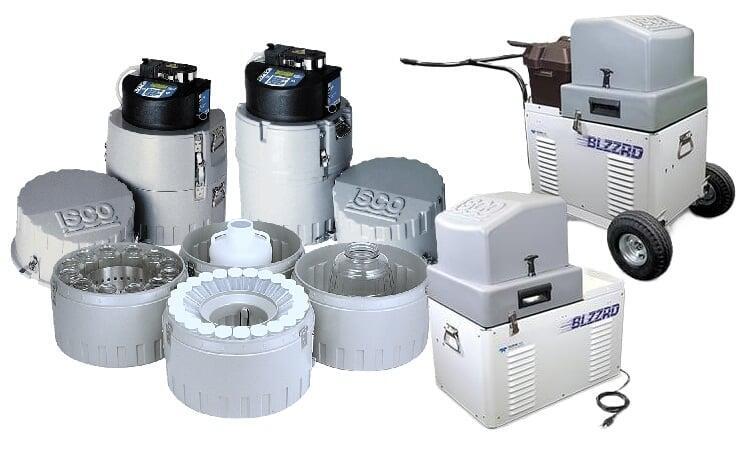
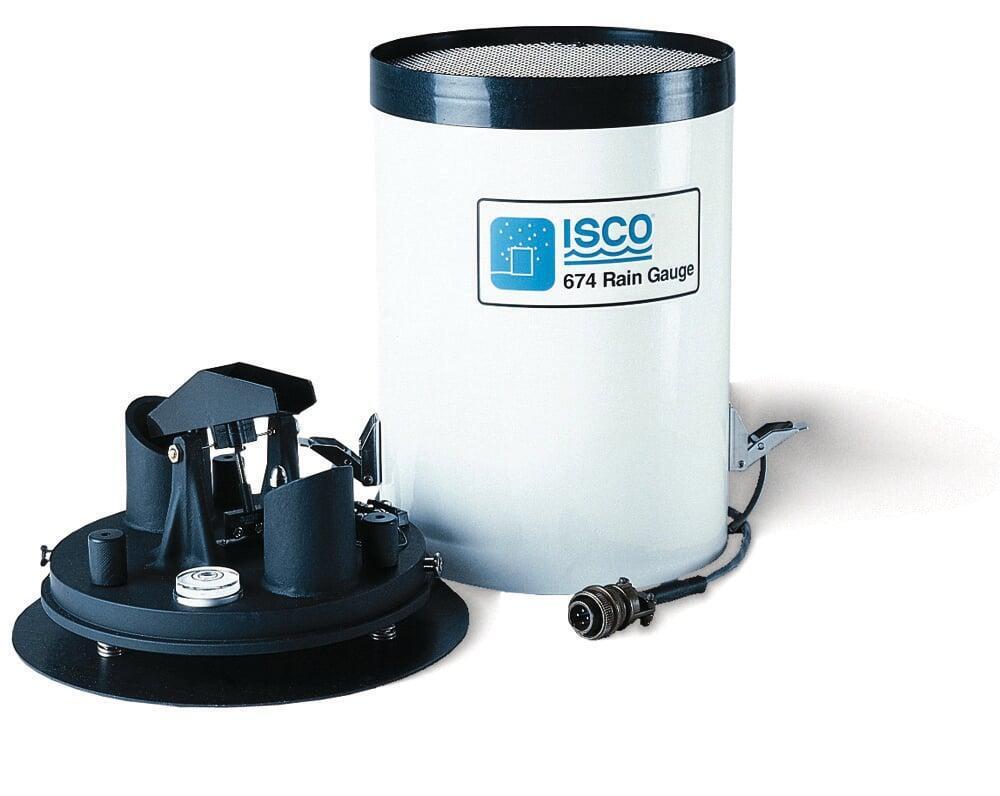
Automatic water samplers are designed to collect consistent, representative samples of stormwater under real-world conditions. Unlike manual grab samples, these systems can be programmed to start collection based on time, flow, or rainfall events, ensuring that no critical data window is missed.
By triggering automatically, samplers capture the first flush of runoff—the portion most likely to contain elevated levels of sediments, nutrients, and metals. This improves the accuracy of pollutant characterization and provides regulators with data that reflects true stormwater impacts.
Automatic samplers also offer flexibility in collection methods. They can:
- Take discrete samples at set intervals to track pollutant changes during a storm.
- Combine into a composite sample for an overall picture of event-based water quality.
- Store samples under refrigerated conditions (depending on the model) to preserve integrity until lab analysis.
For compliance-driven programs, the result is higher-quality data, less sampling bias, and a stronger foundation for meeting NPDES and MS4 reporting requirements. Beyond compliance, reliable data also empowers municipalities, industrial facilities, and construction managers to make informed decisions about treatment, site design, and best management practices.
Benefits of Automatic Sampling vs. Manual Sampling
When comparing automatic samplers to manual grab methods, the advantages are clear. Automated systems not only make stormwater monitoring safer but also deliver higher-quality data that regulators trust.
Key Benefits of Automatic Sampling:
- Improved SafetyField staff no longer need to rush out during dangerous storm conditions or at odd hours. Automatic samplers operate reliably without exposing personnel to risks from flooding, slippery terrain, or traffic hazards.
- More Accurate and Representative Data Automated systems capture stormwater samples based on flow or rainfall triggers, ensuring that critical “first flush” pollutants are included. This produces defensible data that withstands regulatory scrutiny.
- Streamlined Compliance ReportingBecause automatic samplers deliver consistent results, organizations can meet NPDES and MS4 permit requirements with less effort and fewer rejected reports.
- Lower Long-Term CostsWhile the upfront investment is greater than manual sampling, automation reduces the need for on-call staff and repeat sampling events. Over time, organizations save on labor while improving compliance reliability.
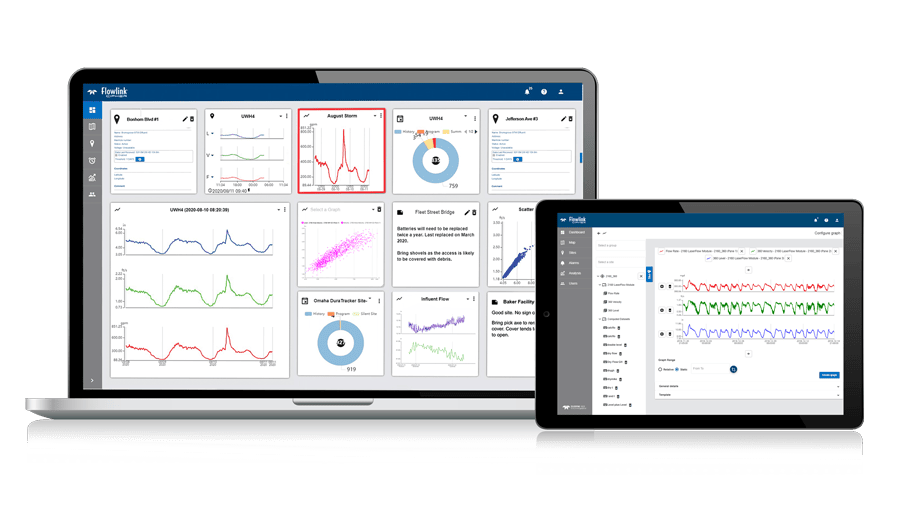
- Operational EfficiencyAutomatic samplers can be integrated into broader stormwater program compliance tools, making it easier to centralize data and track performance across multiple sites.
👉 Upgrade your stormwater program with automatic water samplers—safer, smarter, and built for regulatory compliance.
Applications Across Municipal, Industrial, and Construction Settings
Automatic water samplers are versatile tools that can be applied across a wide range of stormwater programs. Whether monitoring municipal systems, industrial discharges, or construction site runoff, these samplers provide the reliability and flexibility needed to stay compliant.
Municipal Stormwater Programs
For municipalities operating under MS4 permits, automatic samplers make it easier to meet monitoring obligations across diverse collection points. By automating sample collection, cities can reduce the burden on field staff while ensuring representative coverage of stormwater outfalls and priority monitoring locations.
Industrial Facilities
Industrial sites often face stricter monitoring requirements due to the potential for heavy metals, oils, and process-related contaminants in stormwater runoff. Automatic samplers provide high-confidence data on pollutant loads, helping facilities comply with NPDES stormwater requirements and reduce the risk of enforcement actions.
Construction Sites
Construction projects generate sediment-heavy runoff that can quickly impact nearby waterways. Automatic samplers provide objective, time-stamped data that demonstrates permit compliance and validates the effectiveness of erosion and sediment control measures. This protects both the environment and the project schedule.
By tailoring setup and programming to site-specific needs, automatic water samplers deliver consistent compliance support across different industries and environments.
Choosing the Right Stormwater Sampling Solution
Not all stormwater programs have the same needs, which makes equipment selection an important step in achieving both compliance and efficiency. Automatic samplers are available in a variety of configurations, allowing organizations to match features to their specific site conditions and monitoring requirements.
Key Features to Consider
Portability – Lightweight, portable samplers are ideal for construction sites or temporary monitoring points.
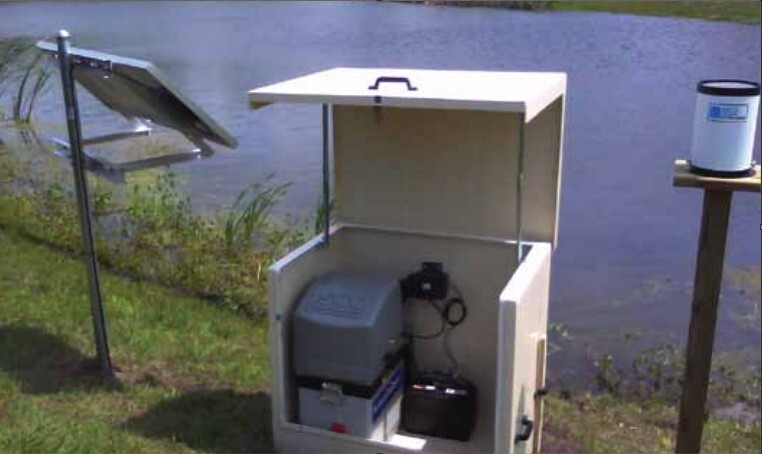
Power Options – Battery, AC, and solar-powered models allow flexible deployment in remote or urban settings.
Refrigeration – For sensitive pollutant testing, refrigeration options preserve sample integrity until laboratory analysis.
Programming Triggers – Time-paced, flow-paced, or rainfall-triggered collection ensures samples are captured under the right conditions.
Data Integration – Many systems can be paired with software platforms for centralized compliance reporting.

Spotlight on Teledyne ISCO
As a leading name in stormwater sampling equipment, Teledyne ISCO samplers are trusted for their reliability and adaptability. Whether municipalities need event-based monitoring, or industrial facilities require refrigerated composite samples, ISCO offers proven solutions that regulators recognize.
Regional Sales, Service, and Support with Clipper Controls
Clipper Controls provides expertise in specifying, deploying, and maintaining automatic samplers across California, Nevada, and Hawaii. With local support and access to Teledyne ISCO equipment, organizations can implement stormwater sampling programs that meet both technical and regulatory demands.
👉 Contact Clipper Controls today to explore the best stormwater sampling solutions for your site in California, Nevada, or Hawaii.

 Toll Free
