Severe Duty Motors
Choosing Reliable Motors for Harsh Industrial Environments
Need Help Selecting a Severe Duty Motor?
👉 Clipper Controls can help evaluate your application requirements, environmental conditions, and VFD compatibility needs to recommend the right Toshiba severe duty motor solution.
Similar Pages: Toshiba Motors | Variable Frequency Drives | Programmable Logic Controllers (PLCs) | Process Controls | Industrial Automation Solutions
What Are Severe Duty Motors?
Designed for Harsh Industrial Conditions
- High humidity and moisture exposure
- Dust, dirt, and airborne particulates
- Corrosive chemicals and washdown environments
- Frequent vibration and mechanical shock
- Elevated ambient temperatures
- Continuous-duty operation
- Outdoor weather exposure
How Severe Duty Motors Differ from General-Purpose Motors
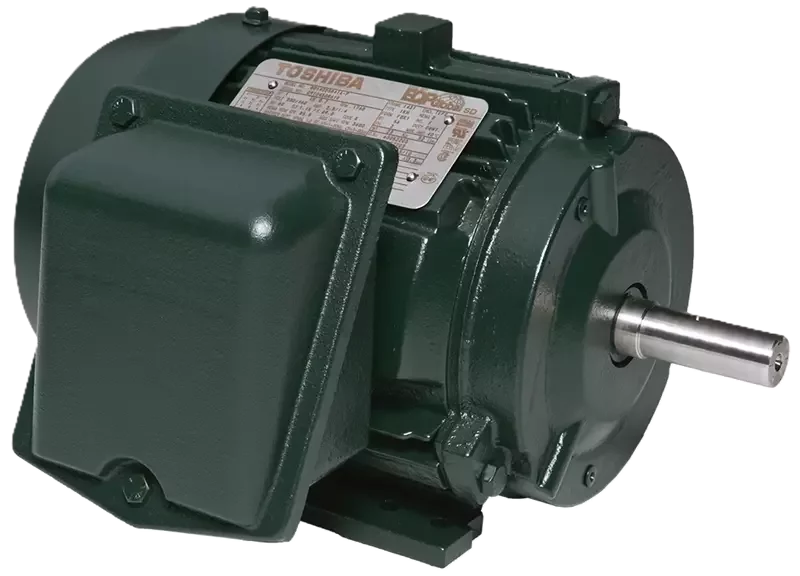
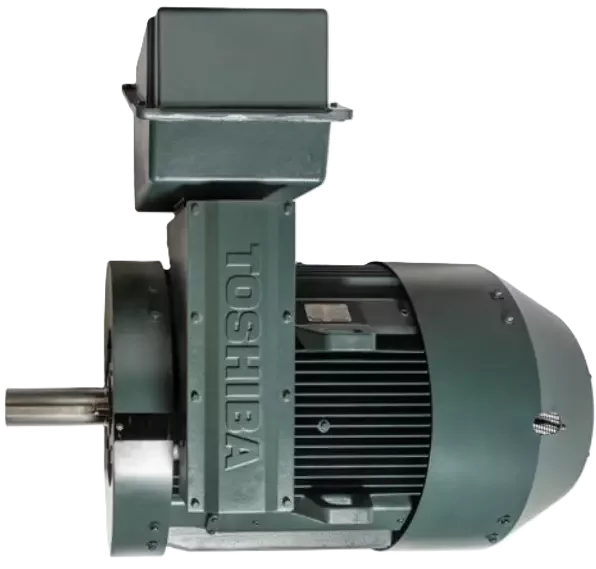
- Rugged cast iron frame motors for superior structural strength
- Totally Enclosed Fan Cooled (TEFC) construction to prevent contaminant ingress
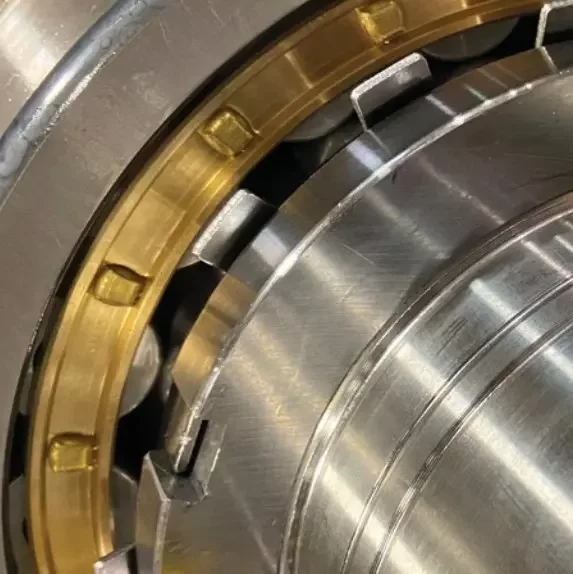
- Enhanced bearing protection systems to extend bearing life
- Corrosion-resistant coatings and hardware
- Premium insulation systems for inverter and continuous-duty operation
- Improved sealing for moisture and dust resistance
- Designs that support operation in high-vibration environments
Common Severe Duty Motor Applications Across Process Industries
Wastewater Treatment Plants
Wastewater facilities present some of the most demanding operating conditions for electric motors. Equipment is frequently exposed to moisture, humidity, corrosive gases, and continuous operation requirements.
Common applications include influent and effluent pumps, lift stations, aeration blowers, clarifier drives, sludge handling systems, and chemical feed equipment.
Chemical Processing Facilities
Chemical processing operations often expose motors to corrosive substances, temperature fluctuations, and demanding operating cycles.
Applications commonly include process pumps, agitators, mixers, reactors, cooling systems, chemical transfer equipment, and ventilation systems.
Oil and Gas Facilities
Oil and gas operations require reliable motor performance in remote and demanding environments. Typical applications include transfer pumps, pipeline pumping systems, compressors, cooling fans, separation equipment, and refinery process systems. Severe duty motors help support operational continuity while reducing maintenance requirements in harsh operating environments.
Mining Operations
Mining environments are among the harshest conditions for rotating equipment. Dust, abrasive materials, vibration, shock loading, and outdoor exposure can significantly shorten motor life. Common severe duty motor applications in mining include conveyors, crushers, grinding equipment, slurry pumps, material handling systems, and ventilation fans. Heavy-duty motor construction helps improve reliability in these demanding environments.
Power Generation Facilities
Power generation plants depend on reliable auxiliary equipment to support continuous operations.
Applications commonly include cooling water pumps, boiler feed systems, air handling equipment, fuel transfer systems, water treatment systems, and emissions control equipment.
Pulp and Paper Mills
Pulp and paper facilities expose motors to moisture, chemicals, washdown procedures, and continuous production schedules.
Typical applications include stock pumps, refiners, conveyors, fans, blowers, and paper machine auxiliaries.
Food and Beverage Facilities
Food and beverage processing environments require motors capable of withstanding frequent cleaning procedures, moisture exposure, and demanding production schedules.
Applications commonly include process pumps, packaging equipment, conveyors, mixers, ventilation systems, and refrigeration support equipment.
A Common Reliability Challenge Across Industries
Key Features That Improve Severe Duty Motor Reliability
Severe Duty Motor Selection Considerations
Understanding Environmental Exposure
Factors that should be evaluated include:
- Indoor versus outdoor installation
- Moisture exposure
- Corrosive chemicals
- Dust and airborne particulates
- Ambient temperature extremes
- Humidity levels
- Mechanical vibration
- Weather exposure
Selecting the Proper Enclosure Type
For many harsh industrial environments, TEFC severe duty motors provide an ideal balance of protection and cooling performance.
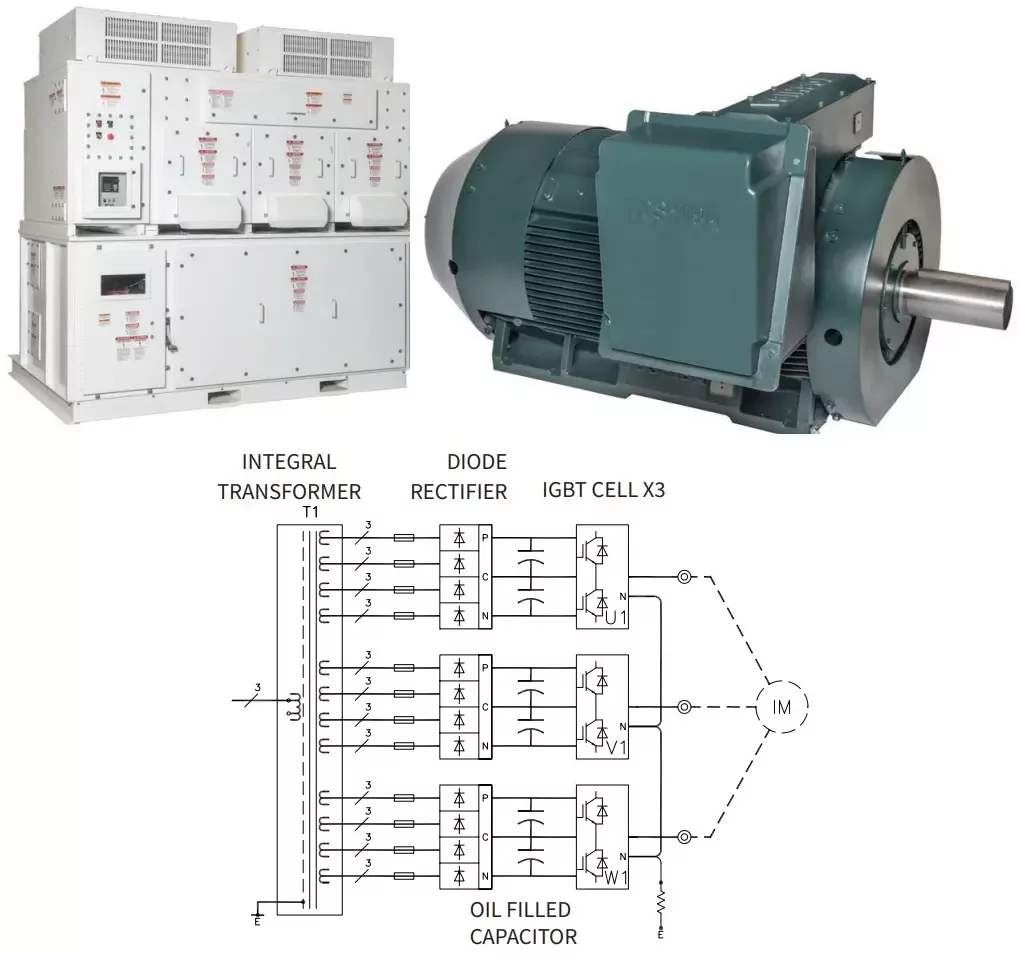
VFD Compatibility Requirements
When evaluating VFD compatible severe duty motors, important considerations include:
- Inverter-duty insulation systems
- Voltage spike protection
- Bearing protection technology
- Speed range requirements
- Thermal performance
- Cable length considerations
Efficiency Considerations
Many facilities prioritize NEMA Premium efficiency motors to reduce energy consumption, lower operating costs, and improve lifecycle value.
👉 Need Help Choosing the Right Severe Duty Motor?
Understanding NEMA and IEEE 841 Motor Standards
Motor standards provide important benchmarks for performance, durability, and reliability.
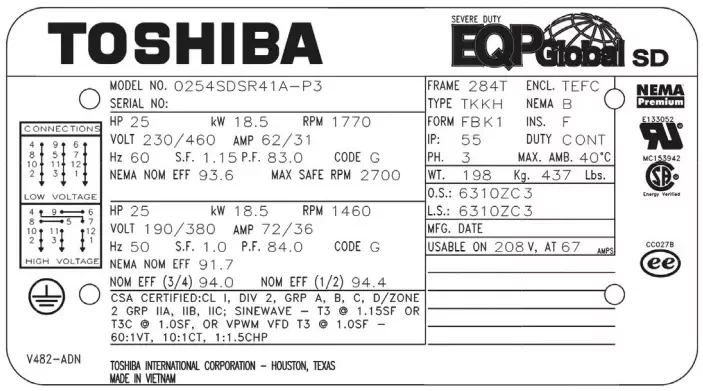
What Defines a NEMA Severe Duty Motor?
NEMA severe duty motors generally incorporate:
- TEFC construction
- Cast iron frames
- Corrosion-resistant coatings
- Enhanced bearing protection
- Premium insulation systems
- Moisture and dust resistance
Understanding IEEE 841 Motors
IEEE 841 motors are built to stringent standards for reliability, corrosion resistance, vibration performance, durability, and long-term service life.
They are commonly specified for critical applications in chemical processing, refineries, wastewater facilities, and other demanding environments.
NEMA Premium Efficiency Considerations
Many severe duty motors are available with NEMA Premium efficiency ratings that help reduce energy consumption while maintaining dependable performance.
How Severe Duty Motors Reduce Unplanned Downtime
The greatest cost associated with motor failure is often the operational disruption that follows.
Reducing Premature Motor Failures
Severe duty motors are engineered to address common causes of failure such as:
- Moisture intrusion
- Dust contamination
- Corrosion
- Bearing degradation
- Excessive vibration
- Thermal stress
- Insulation breakdown
Minimizing Maintenance Requirements
Facilities often experience:
- Fewer bearing replacements
- Reduced contamination-related failures
- Longer inspection intervals
- Reduced emergency maintenance activity
Protecting Critical Process Equipment
Critical equipment such as pumps, conveyors, compressors, fans, and mixers often depend on reliable motor performance to avoid costly production interruptions.
Lowering Total Cost of Ownership
Although severe duty motors generally require a higher upfront investment, they often provide measurable savings through reduced maintenance expenses, fewer repairs, lower downtime costs, and longer service life.
Optional Vibration Monitoring for Critical Motor Applications
👉 Need Motor Vibration Monitoring?
Toshiba Severe Duty Motors for Demanding Industrial Applications
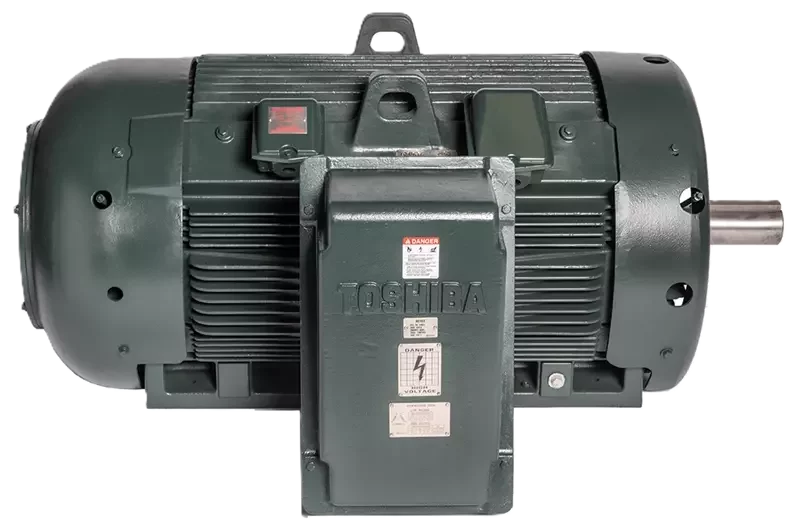
When reliability, efficiency, and long service life are critical, many industrial facilities choose Toshiba severe duty motors for demanding process applications.
Built for Reliability in Harsh Industrial Environments
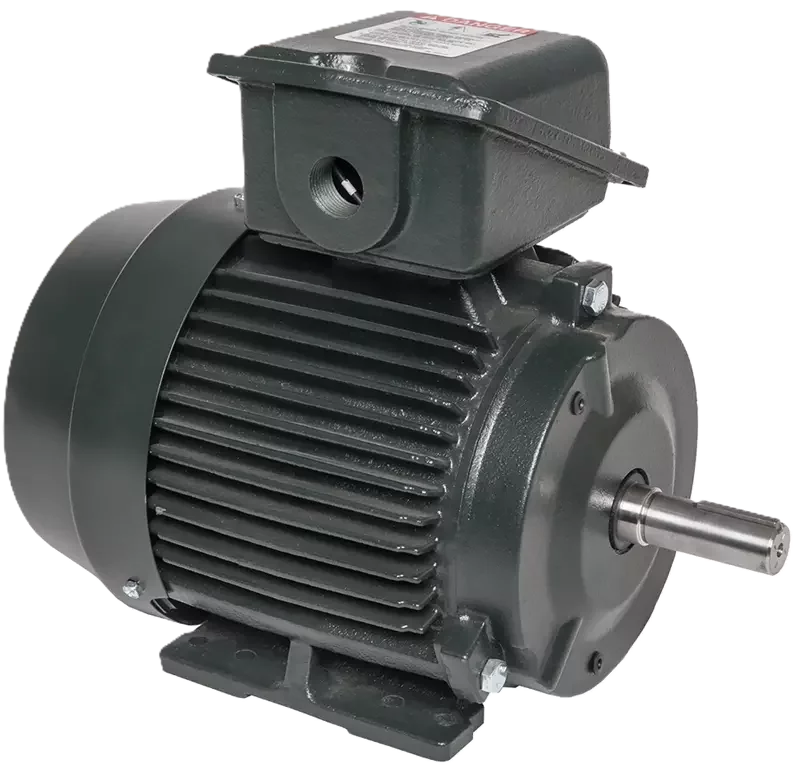
Toshiba severe duty motors are engineered with features such as:
- Heavy-duty cast iron frame construction
- TEFC designs
- Enhanced bearing protection systems
- Corrosion-resistant finishes
- Premium insulation systems
- Rugged mechanical construction
Energy-Efficient Performance
Toshiba severe duty motors are widely recognized for their robust mechanical construction, inverter-duty capabilities, premium efficiency designs, and long service life in demanding industrial applications. These features make them a preferred choice for facilities focused on reliability-centered maintenance and long-term asset performance. Many Toshiba severe duty motors are available with NEMA Premium efficiency designs that help facilities reduce energy consumption while maintaining dependable operation.
Designed for Modern VFD-Controlled Systems
Toshiba severe duty motors are available with features that support VFD operation, including inverter-duty insulation systems, enhanced thermal performance, and compatibility with modern motor control strategies.
Ideal for Critical Process Equipment
Common applications include:
- Pumps
- Fans and blowers
- Compressors
- Conveyors
- Material handling systems
- Process equipment
Their combination of rugged construction, energy efficiency, and proven reliability makes them well-suited for wastewater treatment, chemical processing, oil and gas, mining, power generation, pulp and paper, and food and beverage facilities.
👉 Explore Toshiba Severe Duty Motors
When Should You Upgrade to a Severe Duty Motor?
Many facilities continue using general-purpose motors long after operating conditions have exceeded the motor's original design capabilities.
Warning Signs Your Current Motor May Be Underspecified
Harsh Environmental Conditions
Facilities operating in wastewater treatment, chemical processing, mining, refining, power generation, and food and beverage processing often benefit from severe duty motor upgrades.
Evaluating Total Cost of Ownership
Partnering with Clipper Controls for Motor Selection
Choosing the right motor requires evaluating environmental conditions, process requirements, duty cycles, efficiency goals, and control strategies.
Clipper Controls works with industrial facilities throughout California, Nevada, and Hawaii to help identify severe duty motor solutions for demanding applications. Our team can assist with severe duty motor selection, Toshiba motor solutions, VFD compatibility evaluations, energy efficiency assessments, reliability improvement initiatives, and motor and drive integration support.
Improve Motor Reliability with Severe Duty Motor Solutions
👉 Reduce downtime, extend equipment life, and improve operational reliability with severe duty motor solutions from Clipper Controls. Our team can help you select the right Toshiba severe duty motor based on your application requirements, operating environment, efficiency goals, and VFD compatibility needs.
Call (844) 880-2469 or contact Clipper Controls to discuss your motor application.
Frequently Asked Questions About Severe Duty Motors
Explore Related Pages & Supporting Systems: Toshiba Motors | Variable Frequency Drives | Programmable Logic Controllers (PLCs) | Process Controls | Industrial Automation Solutions
Page Navigation Links
- What Are Severe Duty Motors?
- Common Severe Duty Motor Applications Across Process Industries
- Key Features That Improve Severe Duty Motor Reliability
- Severe Duty Motor Selection Considerations
- Understanding NEMA and IEEE 841 Motor Standards
- How Severe Duty Motors Reduce Unplanned Downtime
- Toshiba Severe Duty Motors for Demanding Industrial Applications
- When Should You Upgrade to a Severe Duty Motor?
- Frequently Asked Questions About Severe Duty Motors



 Toll Free
