Wastewater-Based Epidemiology and Epidemic Readiness
Building the Next Frontier of Epidemic Preparedness
Wastewater-based epidemiology (WBE) is built on a simple but powerful premise: what people flush down the drain reflects the health of the community. By sampling wastewater from sewer networks, researchers and public health agencies can detect the presence of viral, bacterial, and chemical markers that indicate disease trends at the population level—often before clinical data is available.
Every individual in a community contributes biological and chemical information through excreted materials such as saliva, feces, urine, and sputum. These inputs collect in the sewer system, creating a pooled, anonymous sample that represents thousands of people. When wastewater is tested for specific genetic or biochemical signatures—such as SARS-CoV-2 RNA, norovirus, influenza, or antimicrobial resistance genes—it provides an unbiased snapshot of public health.
Unlike traditional testing that depends on clinical reporting or healthcare access, WBE captures population-wide data in real time. This allows health authorities to track infection dynamics, identify hotspots, and allocate testing or medical resources more efficiently. It’s a proactive tool that shifts disease surveillance from a reactive to a preventive model.
➡️ Explore automatic water sampler solutions for wastewater surveillance at ClipperControls.com and AutomaticWaterSamplers.com.
Sampling and Representativeness
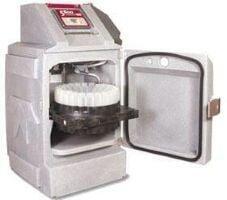
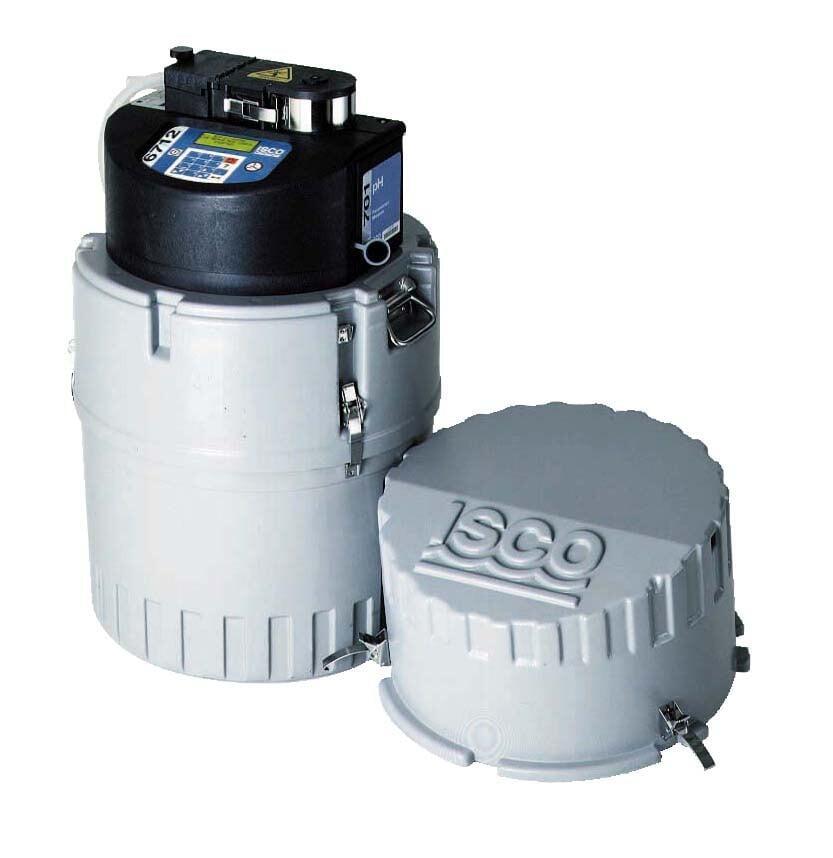
Accurate wastewater analysis begins with reliable sampling. To ensure samples are representative of the community, they must be collected consistently over time and under varying flow conditions. Automatic samplers positioned at key points within the sewer network—such as influent channels at treatment plants or sub-sewers serving universities or residential districts—collect time- or flow-weighted composites that capture daily fluctuations.
Instrumentation note:
Automatic samplers, like the Teledyne ISCO models available through ClipperControls.com and AutomaticWaterSamplers.com, are specifically designed for wastewater environments. They provide precise control of sample intervals and volumes, preserving integrity and enabling reliable laboratory or on-site analysis.
From Sewers to Signals
Once collected, samples undergo laboratory analysis or are processed using online analytical sensors capable of detecting target markers in situ. The data—when correlated with flow, temperature, and population estimates—translates into a meaningful signal of community health trends. When combined with long-term monitoring, these signals reveal patterns that inform public health responses and policy decisions.
➡️ Enhance your epidemic preparedness strategy with integrated wastewater monitoring solutions. Visit ClipperControls.com to learn more.
Core Technologies Enabling Wastewater-Based Epidemiology
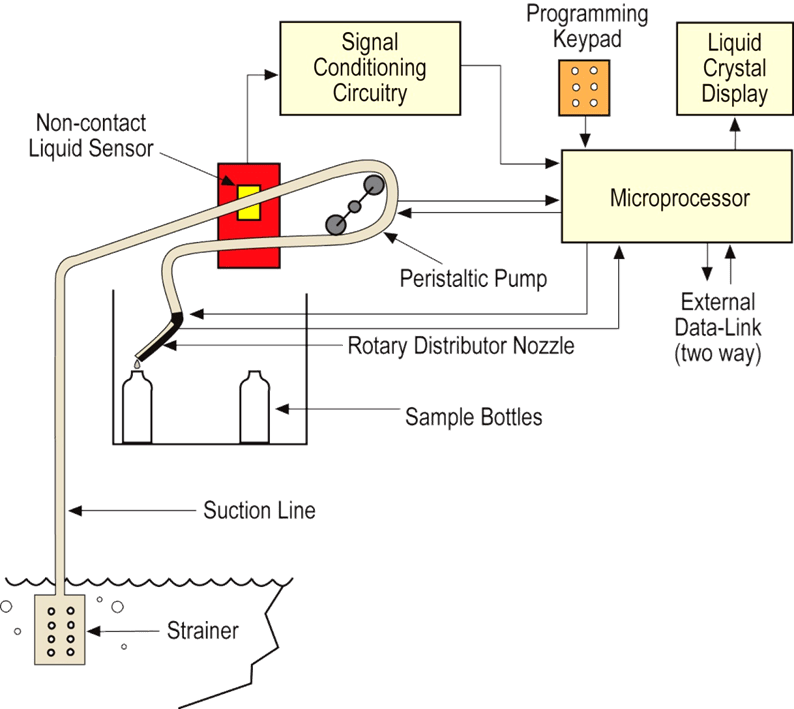
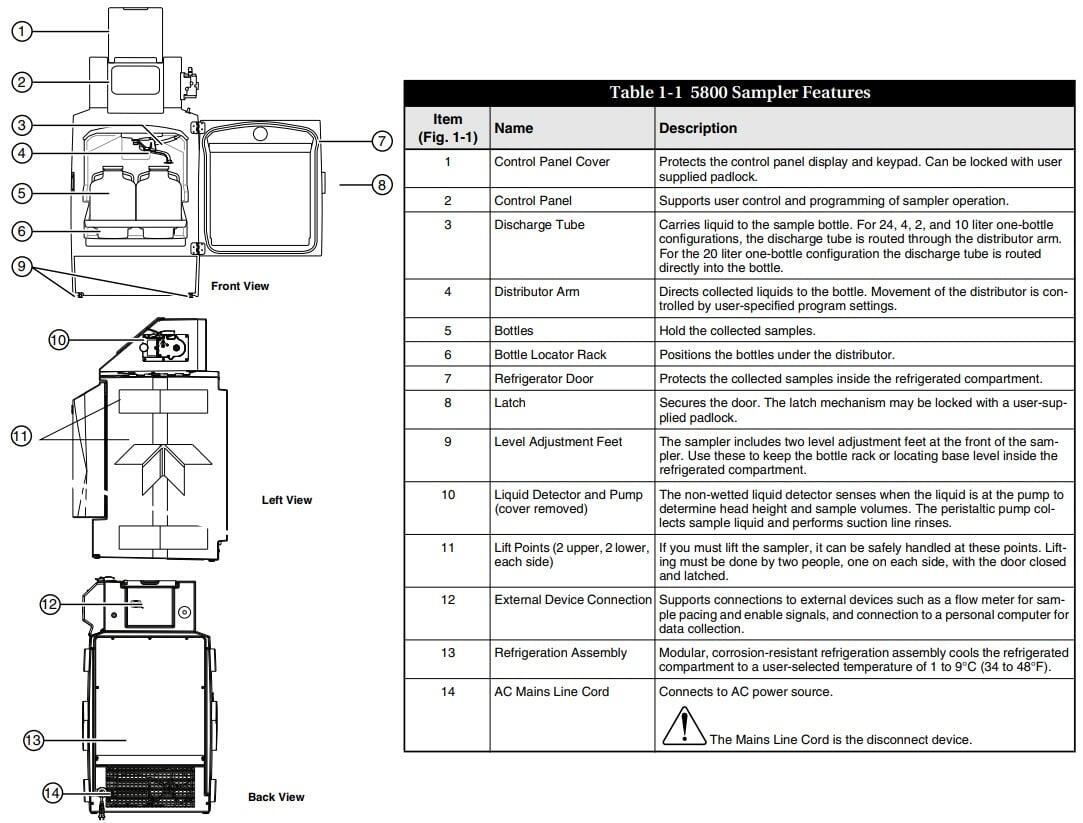
Automatic Water Samplers: Capturing Representative Data
Flow and Level Monitoring: Context for Epidemiological Data
To interpret concentration data accurately, sample results must be normalized by flow. Variations in flow volume can significantly influence measured pathogen concentrations, making flow and level monitoring essential for valid trend comparisons.
Flow meters—such as ultrasonic, area-velocity, or electromagnetic types—measure wastewater movement through pipes and channels. Level sensors, including radar or pressure-based transmitters, help determine hydraulic loading and ensure proper sampler triggering. Together, they provide the operational context needed to convert concentration data into population-adjusted infection estimates.
Clipper Controls offers expertise in specifying and integrating flow instrumentation and level instrumentation tailored for wastewater monitoring networks, ensuring dependable measurements under harsh and variable conditions.
Online Analytical Sensors: Real-Time Detection and Screening
Emerging online analytical sensors allow for near real-time detection of specific viral or bacterial markers directly in wastewater streams. These systems can continuously monitor parameters such as pH, turbidity, temperature, and biochemical oxygen demand—factors that influence pathogen persistence and signal strength.
By pairing automatic samplers with online analytical technologies, utilities can transition from periodic sampling to continuous surveillance. This combination provides faster alerts, improves data reliability, and enhances early warning capabilities for health agencies and universities.
➡️ Work with Clipper Controls to build smarter, more resilient wastewater monitoring systems that empower proactive public health decision-making.
Real-Time Data Integration and Decision Support
From Raw Measurements to Actionable Insights
Every automatic sampler, flow meter, and analytical sensor generates valuable data points. Yet, without a centralized system to collect and interpret them, critical patterns may go unnoticed. Real-time data integration bridges this gap by transforming continuous wastewater monitoring streams into actionable intelligence.
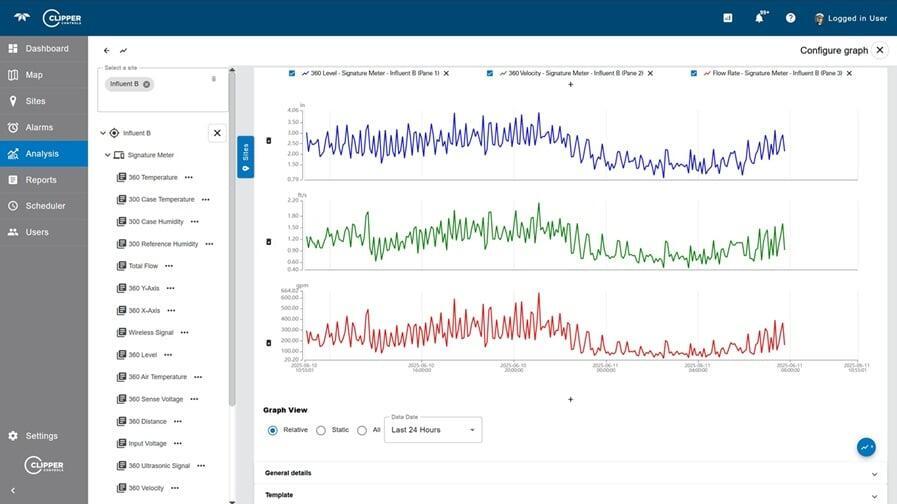
Using a unified platform, agencies can visualize trends, correlate pathogen signals with flow and temperature data, and generate alerts when anomalies appear. This accelerates the public health response—helping teams deploy targeted testing, communication, or containment measures before outbreaks escalate.
ClipperView: Turning Data into Public Health Intelligence
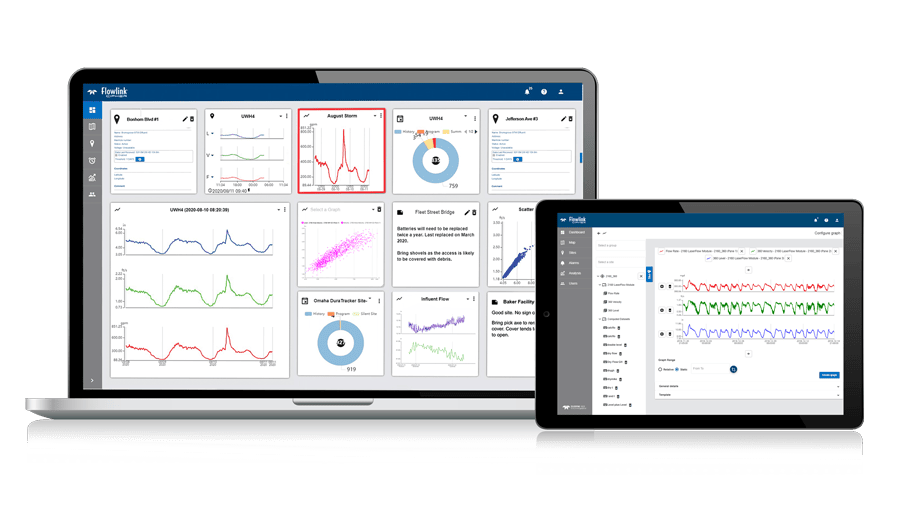
At the center of this transformation is ClipperView, a web-based data management platform developed to streamline water and wastewater monitoring. ClipperView software integrates information from samplers, sensors, and flow instrumentation into a single, secure dashboard accessible from any connected device.
With customizable visualizations, automated reporting, and cloud-based storage, ClipperView enables wastewater treatment plants, universities, and public health agencies to monitor multiple sites simultaneously. The platform supports:
Real-time data synchronization with Teledyne ISCO samplers and field sensors
Trend tracking and predictive alerts for early anomaly detection
Regulatory compliance and report automation, reducing administrative burden
Secure multi-agency data sharing, fostering collaboration across jurisdictions
By linking data from diverse sources, ClipperView creates a comprehensive view of community health, allowing decision-makers to act faster and with greater confidence.
Supporting a Data-Driven Public Health Infrastructure
- Detect pathogen resurgence early
- Prioritize community testing and vaccination resources
- Support research on emerging variants and antimicrobial resistance
- Inform evidence-based public health communication
By combining instrumentation accuracy with advanced data management, utilities and health agencies move from reactive reporting to predictive prevention—strengthening resilience at every level.
➡️ Learn how ClipperView integrates wastewater data into actionable intelligence—visit ClipperView.com to explore monitoring solutions
Case Studies: From COVID-19 to Ongoing Pathogen Surveillance
The COVID-19 pandemic proved the value of wastewater-based epidemiology (WBE) as a rapid, scalable tool for tracking community health. Since 2020, hundreds of wastewater treatment plants, universities, and public health agencies have adopted wastewater surveillance to detect SARS-CoV-2 RNA in sewer systems—often providing an early warning of infection trends up to 7–10 days before clinical case data.
What began as an emergency response has now evolved into a sustainable, multi-pathogen monitoring strategy. The same networks that once tracked COVID-19 are now expanding to include influenza, norovirus, respiratory syncytial virus (RSV), and even antimicrobial resistance (AMR) genes—offering a continuous lens into public health dynamics.
COVID-19 Surveillance: Proof of Concept at Scale
- Early detection of outbreaks before case spikes
- Detection of asymptomatic spread, independent of testing rates
- Trend validation across neighborhoods, campuses, and entire regions
Beyond COVID-19: Expanding Wastewater Surveillance Horizons
- Influenza and Norovirus: Seasonal monitoring helps predict surges in hospital visits and informs vaccination campaigns.
- Antimicrobial Resistance (AMR): Tracking resistance genes in wastewater provides a leading indicator of emerging threats to clinical effectiveness.
- University and Industrial Settings: Campus and facility-level monitoring enables localized outbreak management and targeted intervention.
Collaborative Public Health Intelligence
Modern WBE initiatives emphasize interagency collaboration. Health departments, utilities, and research partners share real-time data to coordinate regional responses. By using standardized instrumentation and integrated software such as ClipperView, data consistency improves and insights become actionable across multiple stakeholders.
These collaborations represent a significant advancement in epidemic preparedness, turning wastewater systems into an early-warning infrastructure for community resilience.
➡️ Track pathogens and strengthen preparedness with integrated sampling and data solutions from Clipper Controls.
Building Resilience Through Integrated Wastewater Intelligence
The Power of Integration
Epidemic resilience depends on connecting three essential components:
Reliable Sampling: Automatic samplers such as Teledyne ISCO ensure representative and repeatable wastewater collection.
Precision Instrumentation: Flow and level sensors supplied by Clipper Controls normalize and validate data integrity.
Centralized Data Intelligence: ClipperView software consolidates all data streams into a single dashboard, supporting rapid interpretation and cross-agency collaboration.
When combined, these technologies form an intelligent monitoring ecosystem that transforms wastewater networks into early-warning systems for emerging pathogens.
Supporting Proactive Public Health Decision-Making
Traditional epidemiology often reacts to outbreaks after clinical cases appear. By contrast, integrated wastewater intelligence allows for predictive intervention. Continuous monitoring can signal infection upticks in specific catchments, enabling public health officials to deploy localized testing, sanitation, or vaccination efforts within days—not weeks.
In industrial or campus environments, where early detection can prevent operational disruption, this proactive insight provides both health and economic benefits. WBE data also supports environmental compliance, sustainability metrics, and ESG reporting, aligning public health goals with broader organizational accountability.
Toward a Smarter, More Resilient Future
As WBE networks continue to expand, advances in sensor technology, automation, and data analytics will enhance both speed and precision. AI-assisted modeling, for example, can correlate wastewater signals with clinical data to forecast infection trajectories.
Clipper Controls, together with partners like Teledyne ISCO, continues to support this evolution by delivering integrated monitoring and data management solutions that enable public health agencies, universities, and utilities to act decisively—protecting communities before outbreaks occur.

➡️ Connect with Clipper Controls for Teledyne ISCO samplers, real-time sensors, and ClipperView data management tools to power your wastewater-based epidemiology program.


 Toll Free
