
Cooling Tower Motors
Selection, Protection, and Reliability Best Practices
Cooling towers play a critical role in maintaining process efficiency and temperature control across industrial facilities, commercial HVAC systems, manufacturing plants, data centers, and power generation sites. At the center of every cooling tower fan assembly is the cooling tower fan motor, a component that directly impacts airflow, heat rejection performance, energy consumption, and overall system reliability.
Because cooling towers operate in challenging environments characterized by moisture, humidity, temperature fluctuations, and continuous-duty operation, cooling tower motors must be carefully selected, properly installed, and effectively protected from mechanical and electrical failures. A poorly specified motor or inadequate protection strategy can result in unplanned downtime, costly repairs, reduced cooling efficiency, and shortened equipment life.
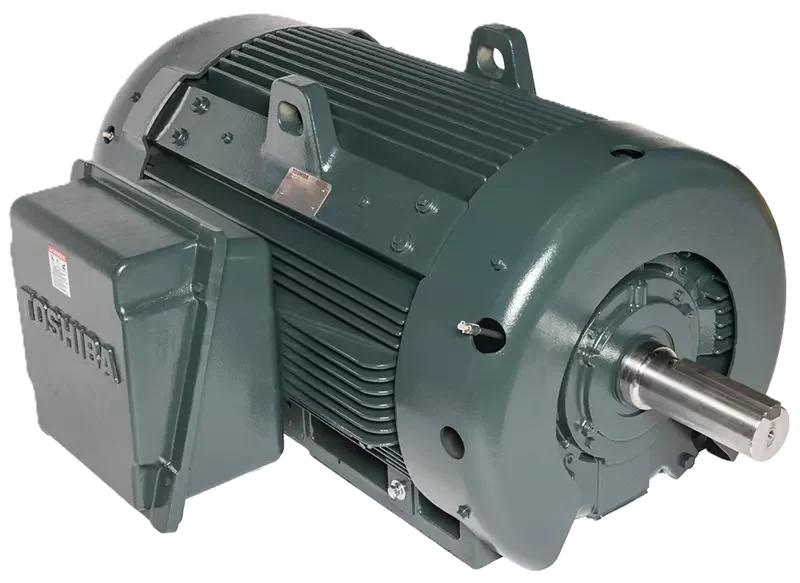
Modern facilities are increasingly focused on improving reliability while reducing maintenance costs. This has led many engineers and maintenance teams to evaluate topics such as:
- Selecting the proper cooling tower fan motor for the application
- Determining whether a TEFC motor for cooling tower service is appropriate
- Applying a VFD on cooling tower fan motor systems for energy savings and process control
- Improving cooling tower fan vibration protection through monitoring and shutdown systems
- Implementing effective cooling tower mechanical protection strategies
- Simplifying cooling tower fan motor replacement procedures
- Establishing proactive cooling tower fan drive system monitoring programs
This article examines the key factors involved in cooling tower motor selection, installation, vibration protection, and reliability improvement. It also explores how Toshiba motor technologies and Metrix vibration monitoring solutions can help facilities reduce downtime, improve equipment life, and create a more comprehensive cooling tower asset protection strategy.
Need Help Selecting a Cooling Tower Motor?
👉 Choosing the right cooling tower fan motor involves more than matching horsepower. Moisture exposure, corrosion resistance, duty cycle, VFD compatibility, and vibration protection all affect long-term reliability. Clipper Controls can help evaluate your application and recommend the right Toshiba motor solution.
Understanding Cooling Tower Fan Motor Applications
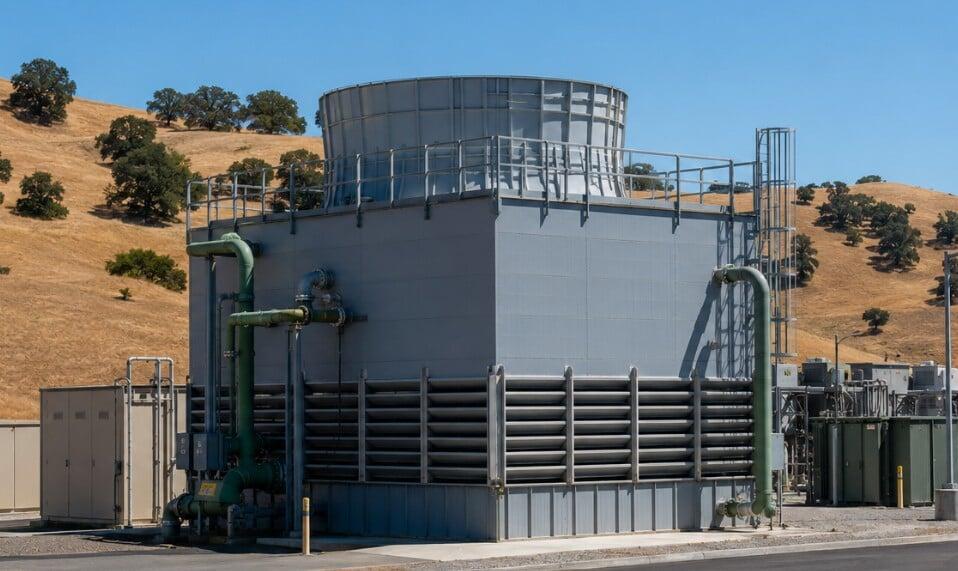
Industrial Cooling Tower Applications
Industrial cooling towers are commonly found in:
- Chemical processing facilities
- Food and beverage plants
- Pulp and paper mills
- Refineries
- Manufacturing operations
- Water and wastewater treatment plants
These facilities often operate around the clock, making motor reliability a critical concern. A cooling tower motor failure can affect production rates, process stability, product quality, and overall plant throughput.
HVAC Cooling Tower Fan Motors
HVAC cooling tower fan motors are commonly used in:
- Office buildings
- Hospitals
- Universities
- Airports
- Hotels
- Data centers
In HVAC applications, cooling towers remove heat from chillers and condenser water systems. Reliability remains important, but energy efficiency often becomes a primary consideration.
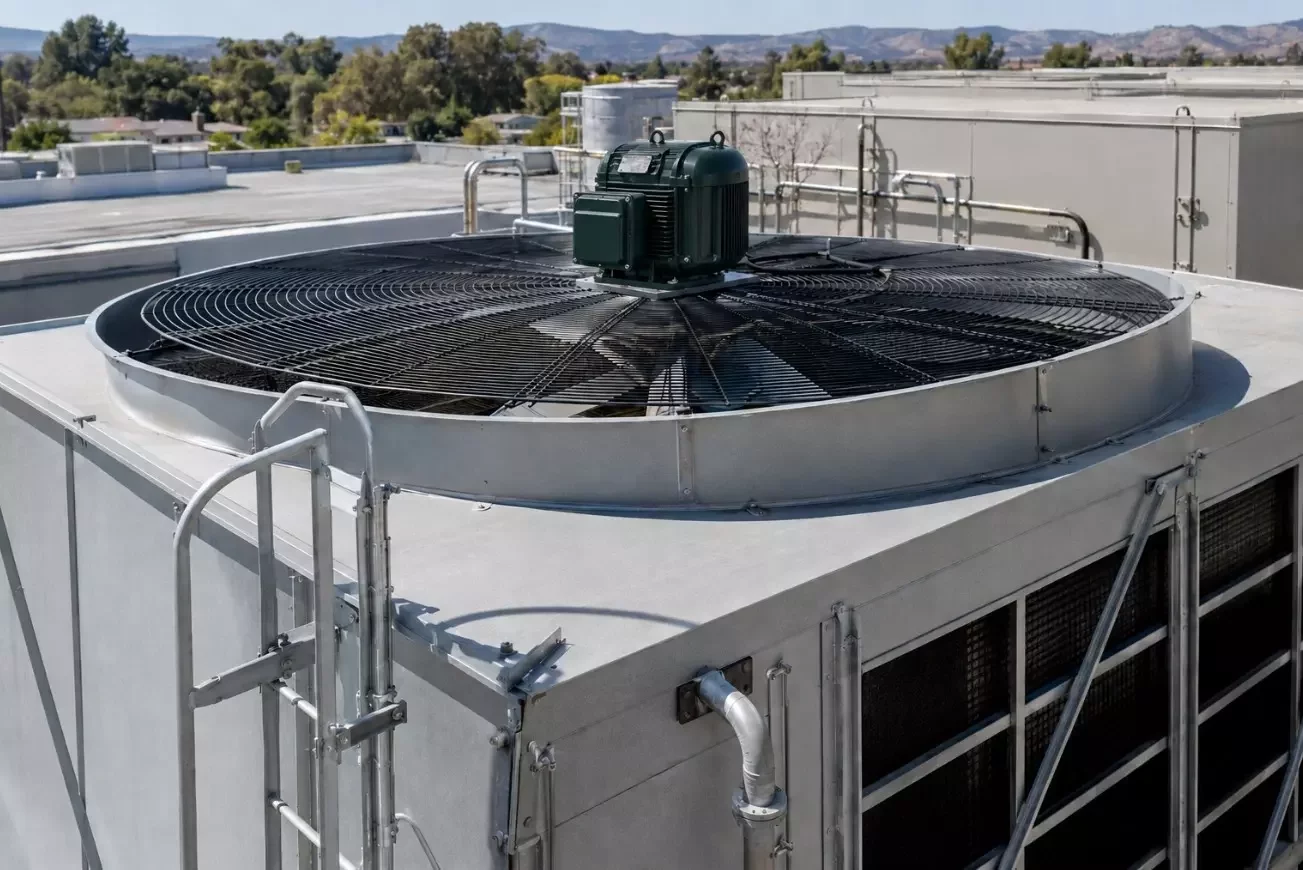
Building operators frequently implement a VFD on cooling tower fan motor systems to:
- Match cooling output to demand
- Reduce electrical consumption
- Improve temperature control
- Lower operating costs
Power Plant Cooling Tower Applications
Power generation facilities place some of the highest reliability demands on cooling tower systems.
Cooling tower fan motors in power plants may operate continuously for extended periods while supporting critical generating equipment. Any interruption in cooling capacity can impact plant efficiency, generation output, and maintenance schedules.
Typical Cooling Tower Fan Motor Sizes
Common motor sizes include:
| Application Type | Typical Horsepower Range |
|---|---|
| Small Commercial HVAC | 3–10 HP |
| Medium Commercial HVAC | 10–20 HP |
| Industrial Cooling Towers | 15–100+ HP |
| Power Generation Cooling Towers | 50–500+ HP |
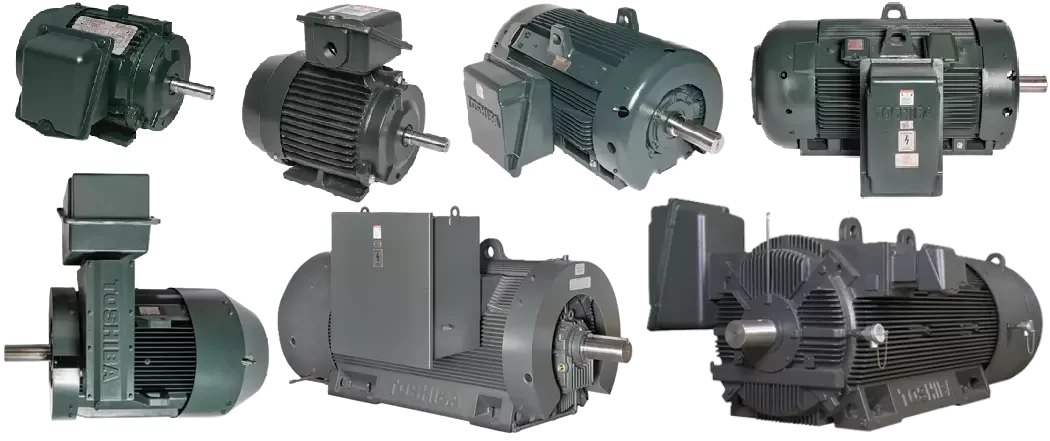
One of the most common industrial configurations is the cooling tower fan motor 20 horsepower application. A 20 HP motor often provides an effective balance between airflow capacity, energy consumption, and maintenance requirements for medium-sized cooling towers serving manufacturing plants, process facilities, and commercial campuses.
Reliability Challenges Across All Cooling Tower Applications
Regardless of industry, cooling tower motors face several common challenges:
- Moisture exposure
- Corrosion
- Vibration
- Continuous-duty operation
Addressing these challenges requires a comprehensive approach that includes proper motor selection, installation best practices, vibration monitoring, mechanical protection systems, and ongoing condition monitoring.
Choosing the Right Cooling Tower Motor
Selecting the proper cooling tower motor is one of the most important decisions affecting long-term reliability, maintenance costs, and operational efficiency.
Environmental Challenges in Cooling Tower Applications
Cooling tower environments expose motors to:
- High humidity
- Condensation
- Wind-driven rain
- Water vapor
- Corrosive contaminants
- Continuous operation
- Mechanical vibration
These conditions demand a motor specifically suited for harsh outdoor service.
Will a TEFC Motor Work in a Cooling Tower?
One of the most common questions engineers ask is:
Will a TEFC motor work in a cooling tower?
In many applications, the answer is yes.
A TEFC motor for cooling tower service is frequently selected because it offers improved protection against moisture, airborne contaminants, and environmental exposure compared to open motor designs.
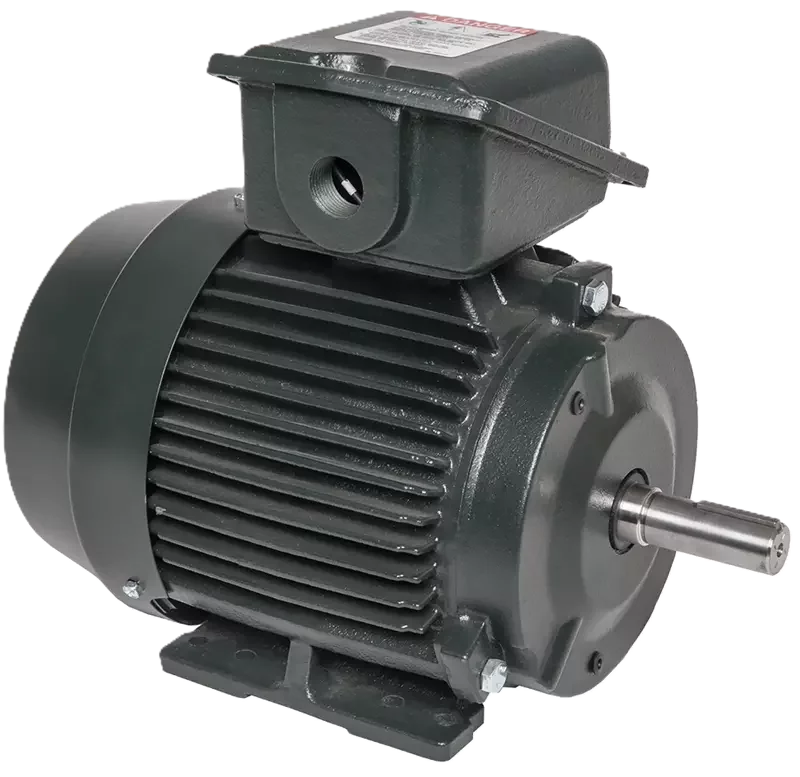
Advantages of a TEFC Motor for Cooling Tower Applications
- Improved moisture protection
- Reduced contamination
- Enhanced reliability
- Better outdoor performance
- Longer service life
- Reduced maintenance requirements
Toshiba Motor Selection Tip
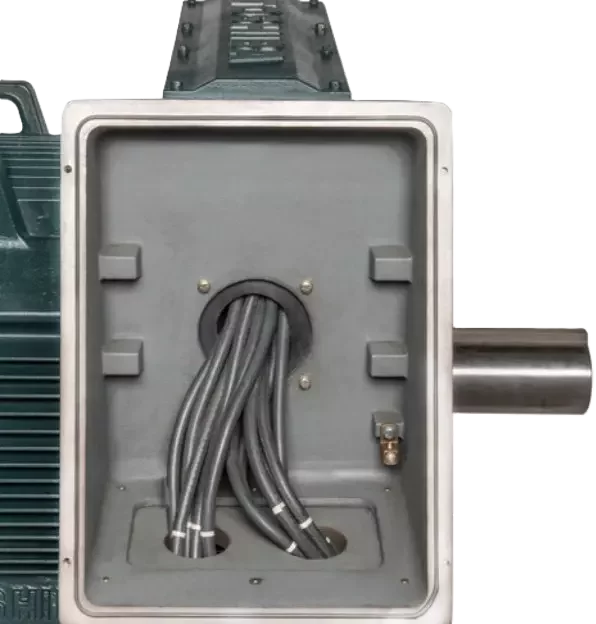
Why Many Facilities Choose Toshiba Motors
Facilities seeking long-term reliability frequently evaluate Toshiba motors because of their reputation for durability in demanding industrial environments.
Benefits often include:
- Corrosion-resistant construction
- Bearing protection features
- Premium efficiency performance
- Continuous-duty capability
- VFD compatibility
Cooling Tower Fan Motor Sizing Considerations
Motor sizing should account for:
- Airflow requirements
- Fan design
- Starting torque
- Service factor
- Environmental conditions
- Future operating requirements
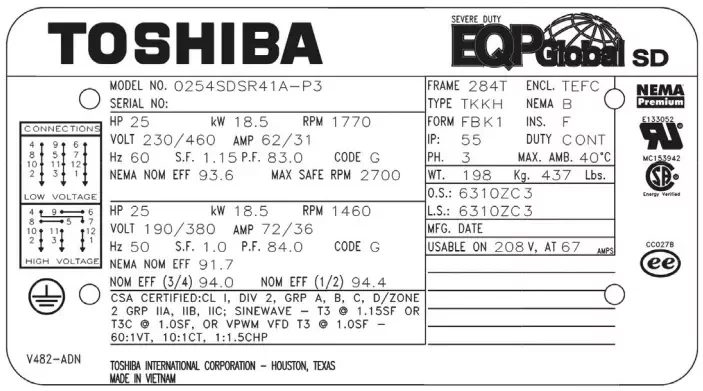
Cooling Tower Fan Motor 20 Horsepower Applications
Twenty-horsepower motors are commonly used in:
- Manufacturing facilities
- Commercial campuses
- Food processing plants
- Water treatment facilities
- HVAC cooling systems
- Industrial process cooling operations
How to Cool Down a Tower Fan Motor
The most effective approach is addressing root causes such as:
- Overloading
- Improper voltage
- Bearing problems
- Excessive vibration
- Misalignment
- Restricted airflow
Routine inspections, vibration analysis, and preventive maintenance are key to preventing overheating.
👉 Not Sure if a TEFC Motor Is Right for Your Cooling Tower?
Cooling Tower Motor Installation and Replacement Best Practices
Cooling Tower Motor Installation Considerations
Before installation:
- Verify motor specifications
- Inspect mounting structures
- Check shaft alignment
- Verify electrical connections
- Confirm environmental suitability
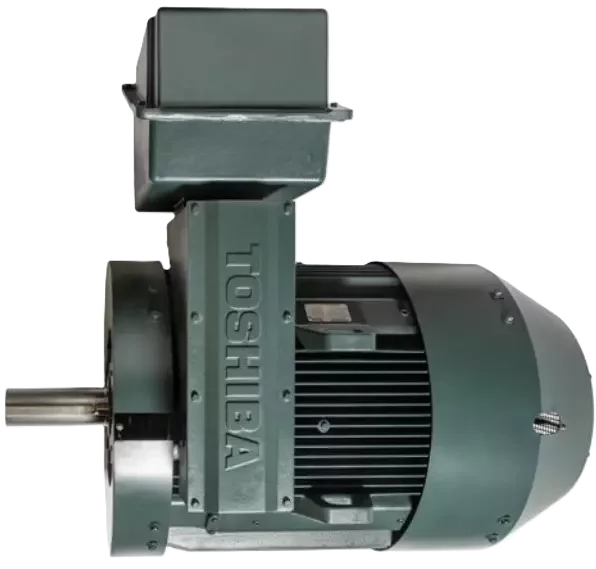
Cooling Tower Fan Motor Replacement Planning
Signs replacement may be necessary include:
- Repeated bearing failures
- Excessive vibration
- Insulation deterioration
- Recurring overheating
- Reduced reliability
How to Replace Cooling Tower Motor Without Crane
Many facilities successfully replace motors using:
- Portable davit systems
- Chain hoists
- Motor slide rails
- Portable gantry systems
All replacement procedures should follow proper safety, rigging, and lockout/tagout requirements.
Startup and Commissioning Procedures
Commissioning should include:
- Rotation verification
- Current measurements
- Voltage checks
- Baseline vibration readings
- Temperature monitoring
Establishing baseline operating data supports future predictive maintenance efforts.
When to Use a VFD on a Cooling Tower Fan Motor
Energy Savings Benefits
The fan affinity laws make cooling towers excellent candidates for variable speed control.
Potential benefits include:
- Lower energy consumption
- Reduced utility costs
- Improved sustainability
- Faster return on investment
Improved Process Control
Variable speed operation provides:
- More stable temperatures
- Reduced temperature swings
- Better seasonal adaptability
- Improved cooling performance
Reduced Mechanical Stress
VFDs help reduce stress on:
- Motors
- Bearings
- Couplings
- Belts
- Gearboxes
- Fan assemblies
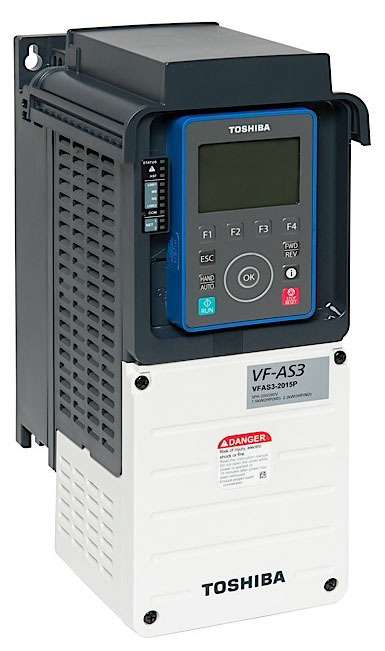
When to Use a VFD on a Cooling Tower Fan Motor
VFDs are particularly beneficial when:
- Cooling loads vary
- Systems operate continuously
- Energy savings are desired
- Tight temperature control is required
- Reliability improvements are a priority
👉 Considering a VFD for Your Cooling Tower Fan Motor?
Why Cooling Tower Vibration Sensors Are Needed
Common Sources of Cooling Tower Vibration
- Fan imbalance
- Bearing wear
- Shaft misalignment
- Gearbox problems
- Structural deterioration
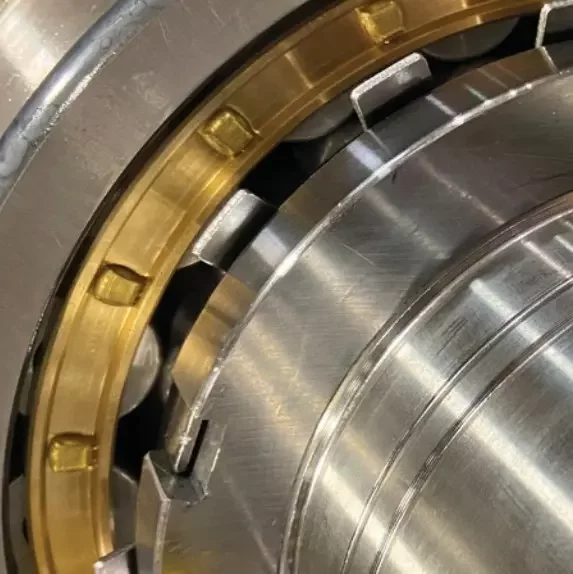
Why Are Cooling Tower Vibration Sensors Needed?
Vibration sensors provide early warning of developing mechanical problems and allow maintenance teams to:
- Detect faults earlier
- Reduce unplanned downtime
- Improve maintenance planning
- Protect critical assets
- Extend equipment life
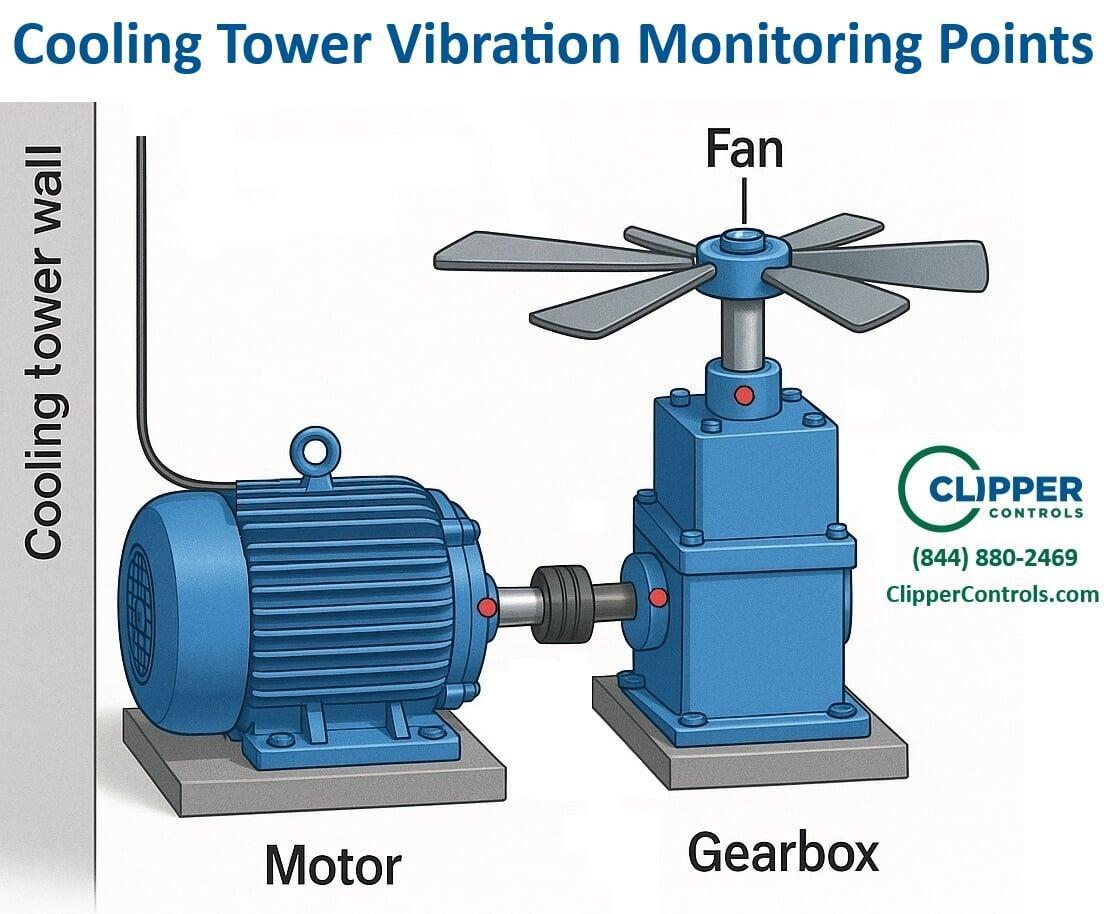
How to Protect Cooling Tower Fan Motors from Vibration Damage
Recommended practices include:
- Maintaining proper alignment
- Balancing fan assemblies
- Inspecting bearings regularly
- Monitoring vibration continuously
- Installing vibration shutdown protection
- Addressing root causes promptly
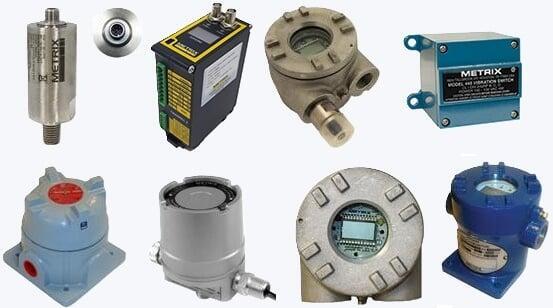
👉 Experiencing Cooling Tower Vibration Problems?
Ready to Improve Cooling Tower Reliability?

Reduce Cooling Tower Motor Downtime Before It Starts
👉 Cooling tower failures are often caused by improper motor selection, excessive vibration, or undetected mechanical wear. Clipper Controls helps facilities improve reliability through Toshiba motors, VFD solutions, and Metrix vibration monitoring technologies.
Frequently Asked Questions About Cooling Tower Motors
Below are common questions procurement teams, project managers, maintenance teams, plant engineers, and facilities managers ask when selecting, replacing, or protecting cooling tower fan motors.
Explore Related Pages & Supporting Systems: TEFC Motor Guide | Severe Duty Motors | Variable Frequency Drives | Programmable Logic Controllers (PLCs) | Process Controls | Industrial Automation Solutions
Page Navigation Links
- Understanding Cooling Tower Fan Motor Applications
- Choosing the Right Cooling Tower Motor
- Cooling Tower Motor Installation and Replacement Best Practices
- When to Use a VFD on a Cooling Tower Fan Motor
- Why Cooling Tower Vibration Sensors Are Needed
- Ready to Improve Cooling Tower Reliability?
- Frequently Asked Questions About Cooling Tower Motors



 Toll Free
