TEFC Motor Guide
Applications, Selection, and Replacement Strategies for Industrial Reliability
Need Help Selecting a TEFC Motor?
👉 Clipper Controls can help evaluate your application requirements, operating environment, mounting configuration, efficiency goals, and VFD compatibility needs to identify the right TEFC, severe duty, or IEEE 841 motor solution.
Similar Pages: Toshiba Motors | Severe Duty Motors | Variable Frequency Drives | Programmable Logic Controllers (PLCs) | Process Controls | Industrial Automation Solutions
What Is a TEFC Motor?
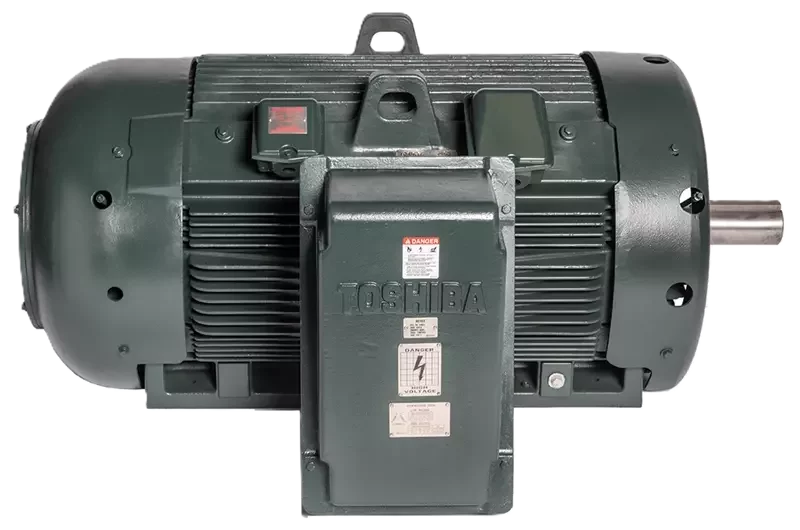
TEFC Motor Definition
- An AC induction motor
- A three-phase motor
- A single-phase motor
- A premium efficiency motor
- A severe duty motor
- An IEEE 841 motor
Common TEFC Motor Configurations
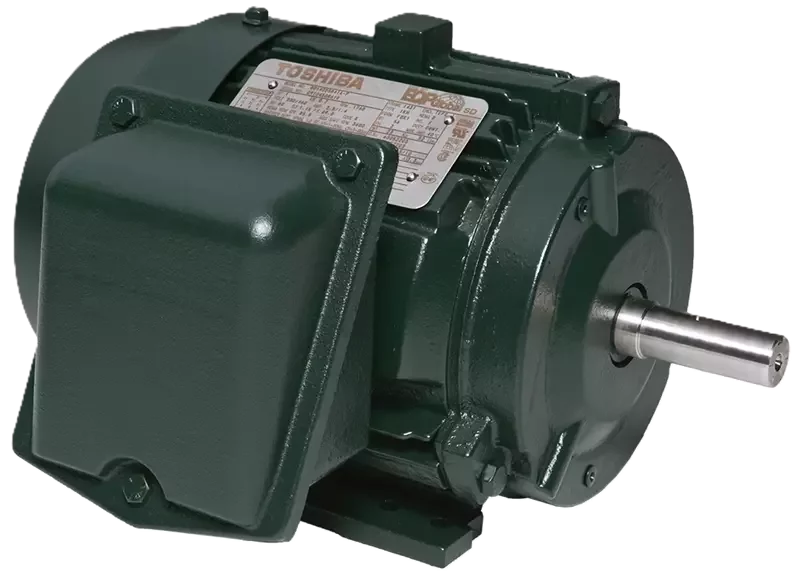
Industrial users can find TEFC motors in a wide range of configurations, including:
- 1 HP TEFC motors
- 5 HP TEFC motors
- 10 HP TEFC motors
- 50 HP TEFC motors
- 100 HP TEFC motors
- 500 HP TEFC motors
Common electrical ratings include:
- 230V TEFC motors
- 230/460V TEFC motors
- 460V TEFC motors
- 575V TEFC motors
- Medium-voltage TEFC motors
TEFC motors are available in both aluminum and cast iron frame designs, with cast iron construction frequently preferred for demanding industrial applications requiring greater durability and corrosion resistance.
How a TEFC Motor Enclosure Works
The defining feature of a totally enclosed fan cooled motor is its enclosure design.
A TEFC motor is constructed so that external air does not freely circulate through the motor's internal electrical components. Instead, the motor housing is designed to minimize the entry of contaminants while allowing heat generated by the motor to transfer through the frame.
The cooling process works as follows:
- Electrical losses generate heat within the motor.
- Heat transfers from the stator and internal components to the motor frame.
- An externally mounted cooling fan rotates with the motor shaft.
- The fan forces ambient air across the ribbed exterior frame.
- The frame dissipates heat into the surrounding environment.
Because cooling occurs externally, contaminants such as dust, dirt, fibers, and moisture are far less likely to contact sensitive motor components.
Typical TEFC Enclosure Characteristics
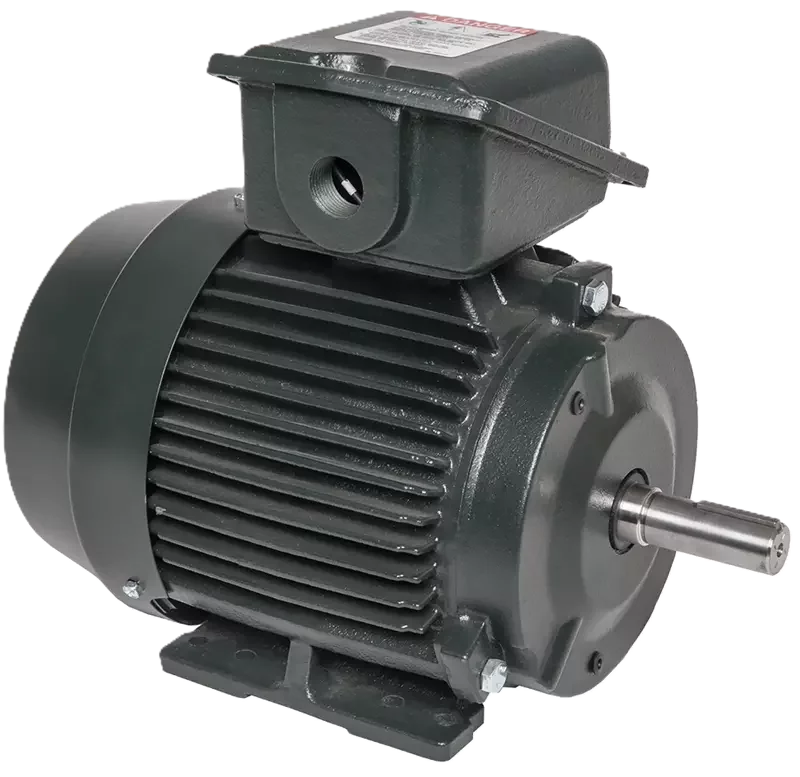
Most industrial NEMA TEFC motors feature:
- Ribbed cast iron or steel frames
- External cooling fan assemblies
- Fan shrouds for operator protection
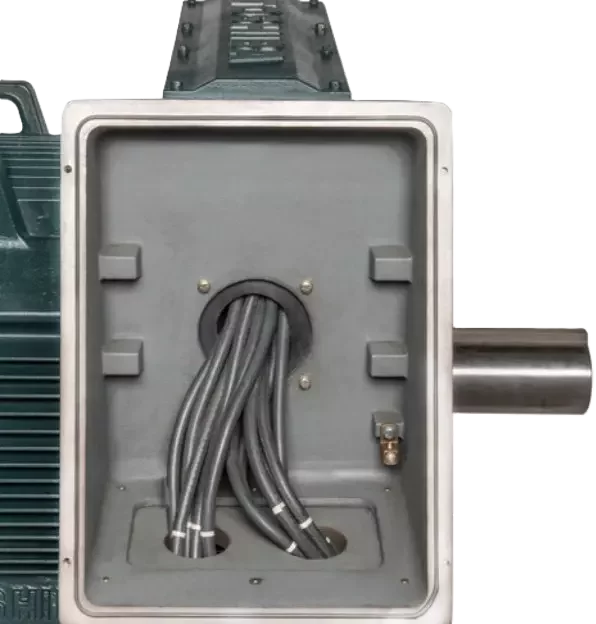
- Gasketed terminal boxes
- Protected bearing systems
- Corrosion-resistant finishes
- IP55 or IP56 protection levels
These features help make TEFC motors well suited for both indoor and outdoor industrial installations.
Key Advantages of TEFC Motors
Improved Protection from Dust and Debris
Many industrial facilities contain airborne particles that can quickly damage open-frame motors.
Examples include:
- Cement dust
- Aggregate dust
- Mining particulates
- Grain dust
- Wood fibers
- Paper fibers
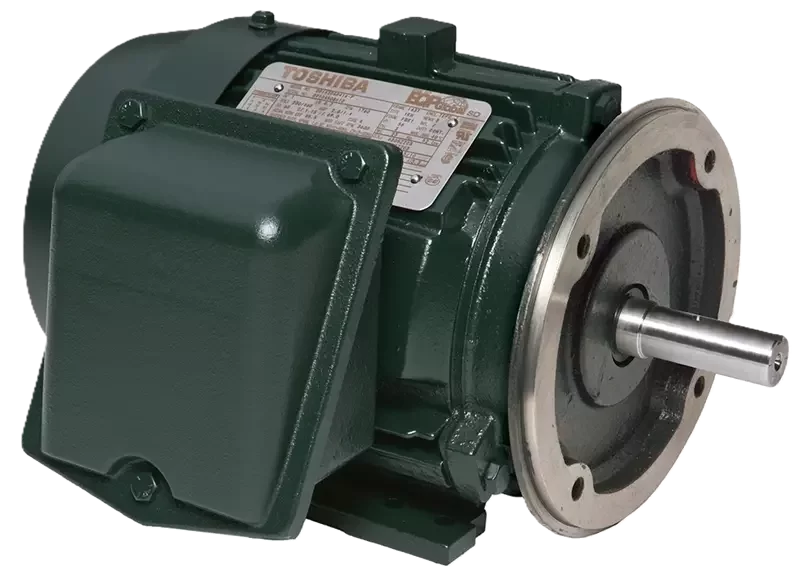
A TEFC enclosure helps prevent these contaminants from reaching internal motor windings and bearings.
Better Performance in Wet Environments
Water exposure is common in:
- Wastewater treatment plants
- Water treatment facilities
- Cooling towers
- Food processing plants
- Beverage processing facilities
Because TEFC motors help limit moisture intrusion, they generally offer greater reliability than open motor designs in these environments.
Reduced Maintenance Requirements
By protecting internal components from contamination, TEFC motors often require:
- Less cleaning
- Fewer bearing replacements
- Reduced winding failures
- Lower maintenance costs
This can significantly reduce unplanned downtime and maintenance labor expenses.
Longer Service Life
Motor failures frequently result from contamination, moisture intrusion, or bearing degradation.
The enclosed construction of a TEFC motor helps mitigate these risks, extending equipment life and improving overall plant reliability.
Broad Application Versatility
TEFC motors can be applied across a wide range of industries, including:
- Water and wastewater treatment
- Mining and aggregate processing
- Chemical processing
- Oil and gas operations
- Food and beverage manufacturing
- Power generation
- HVAC systems
- Air pollution control systems
- Environmental monitoring systems
- Industrial automation applications
Because of this versatility, TEFC motors are a common enclosure choice for many industrial facilities.
TEFC Motor vs ODP, TENV, Washdown, Severe Duty, and IEEE 841 Motors
TEFC vs ODP Motor
| Feature | TEFC Motor | ODP Motor |
|---|---|---|
| Dust Protection | Excellent | Limited |
| Moisture Protection | Good | Limited |
| Cooling Efficiency | Good | Excellent |
| Outdoor Use | Recommended | Generally Not Recommended |
| Maintenance Requirements | Lower | Higher |
| Initial Cost | Higher | Lower |
For most industrial environments involving dust, dirt, moisture, or outdoor exposure, TEFC motors are the preferred choice.
TEFC vs TENV Motor
A TENV (Totally Enclosed Non-Ventilated) motor is fully enclosed like a TEFC motor but does not include an external cooling fan.
Because TEFC motors utilize an external cooling fan, they can handle larger horsepower ratings, heavier loads, and more demanding continuous-duty applications.
TENV motors are commonly used for:
- Small conveyors
- Packaging equipment
- Instrumentation systems
- Compact machinery
TEFC motors are typically preferred for pumps, blowers, compressors, and other industrial process equipment.
TEFC vs Washdown Motor
A washdown motor is designed to withstand frequent exposure to high-pressure water, cleaning chemicals, and sanitation procedures.
Washdown motors typically feature:
- Stainless steel housings
- Smooth exterior surfaces
- Enhanced shaft sealing
- Corrosion-resistant hardware
These motors are common in:
- Food processing
- Beverage production
- Dairy facilities
- Meat processing plants
For facilities with daily sanitation requirements, a washdown motor often provides better long-term performance than a standard TEFC motor.
TEFC vs Severe Duty Motor
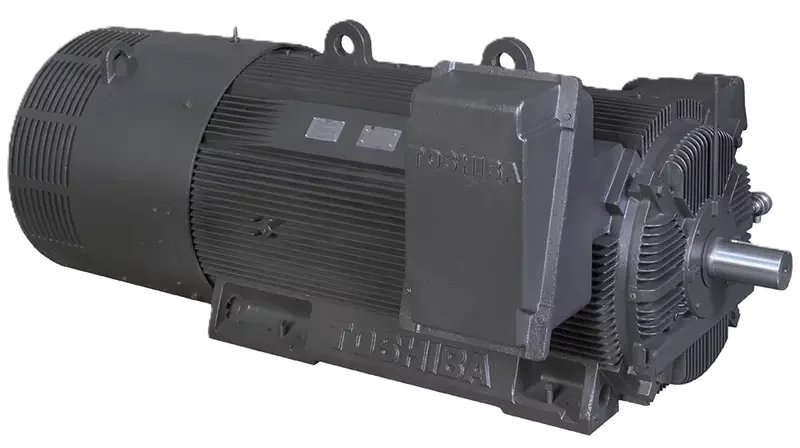
Most severe duty motors use a TEFC enclosure but incorporate additional features designed for harsh industrial environments.
Typical severe duty enhancements include:
- Cast iron construction
- Improved corrosion protection
- Enhanced bearing systems
- Better sealing
- Higher ingress protection ratings
- Increased vibration resistance
Severe duty motors are widely used in mining, wastewater treatment, chemical processing, and aggregate operations.
TEFC vs IEEE 841 Motor
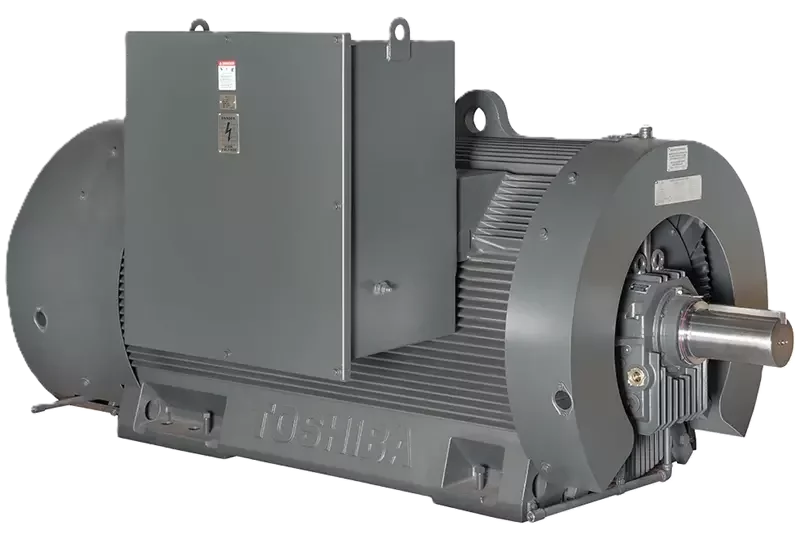
An IEEE 841 motor represents one of the highest reliability standards available for low-voltage industrial induction motors.
These motors are commonly specified in:
- Petrochemical facilities
- Refineries
- Chemical processing plants
- Pipeline operations
- Critical utility systems
IEEE 841 motors typically exceed standard severe duty requirements through enhanced testing, construction, corrosion resistance, vibration control, and bearing protection.
👉 Not Sure Which Motor Enclosure Is Right for Your Application?
Common TEFC Motor Applications Across Industry
Water and Wastewater Treatment
Common applications include:
- Raw water pumps
- Wastewater pumps
- Lift station pumps
- Aeration blowers
- Chemical feed systems
- Mixing equipment
TEFC motors provide protection against moisture, corrosive atmospheres, and continuous-duty operation.
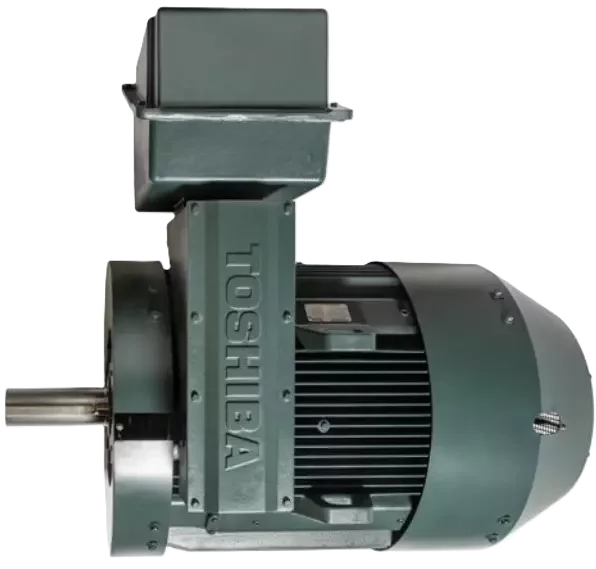
Mining and Aggregate Processing
Mining environments expose motors to:
- Dust
- Vibration
- Abrasive materials
- Outdoor conditions
Applications include:
- Conveyors
- Crushers
- Screens
- Dust collectors
- Material handling systems
Reliable motor selection is critical to maximizing uptime and operational efficiency in mining facilities. Similar reliability principles are discussed in Clipper Controls' Nevada mining operations article.
Chemical Processing and Petrochemical Facilities
Common applications include:
- Chemical pumps
- Mixers
- Agitators
- Compressors
- Utility systems
Many facilities specify severe duty or IEEE 841 motors for enhanced corrosion resistance and reliability.
Food and Beverage Manufacturing
Typical applications include:
- Conveyors
- Packaging systems
- Mixers
- Process pumps
Washdown motor designs are often specified where frequent sanitation procedures are required.
HVAC and Cooling Towers
Applications include:
- Exhaust fans
- Process fans
- Supply air systems
- Cooling tower fans
Premium efficiency TEFC motors help reduce energy consumption in continuously operating HVAC systems.
Air Pollution Control Systems
Common applications include:
- Dust collectors
- Baghouses
- Thermal oxidizers
- Scrubbers
- Emissions control systems
Reliable fan and blower motors are essential to environmental compliance and process performance.
Power Generation and Utility Applications
Applications include:
- Cooling water pumps
- Condenser pumps
- Boiler systems
- Auxiliary equipment
These systems often require premium efficiency and high-reliability motor designs.
How to Select the Right TEFC Motor
Determine Required Horsepower
Engineers should evaluate:
- Operating load
- Starting torque
- Duty cycle
- Service factor
- Future capacity requirements
Horsepower ratings commonly range from 1 HP through 500 HP and beyond.
Verify Voltage and Power Requirements
Common industrial voltages include:
- 230V
- 230/460V
- 460V
- 575V
Large industrial facilities may also utilize medium-voltage motor systems.
Evaluate Environmental Conditions
Consider exposure to:
- Dust
- Moisture
- Corrosion
- Washdown procedures
- Outdoor weather
Environmental conditions often determine whether a standard TEFC motor, severe duty motor, washdown motor, or IEEE 841 motor is appropriate.
Review Efficiency Requirements
Many facilities specify NEMA Premium efficiency TEFC motors to reduce energy consumption and lower operating costs.
When evaluating motor options, consider total lifecycle cost rather than purchase price alone.
Select the Appropriate Frame Size and Mounting Configuration
Verify:
- NEMA frame size
- Shaft dimensions
- Mounting arrangement
- C-face requirements
- Vertical or horizontal orientation
Proper mechanical compatibility is critical during motor replacement projects.
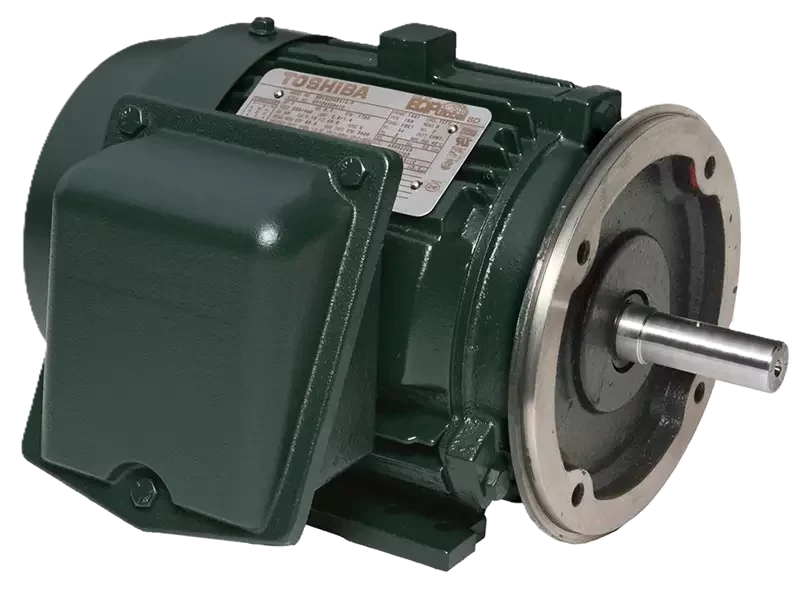
Understand Enclosure Ratings
Common protection levels include:
- IP55
- IP56
Higher ingress protection ratings provide improved resistance to dust and water exposure.
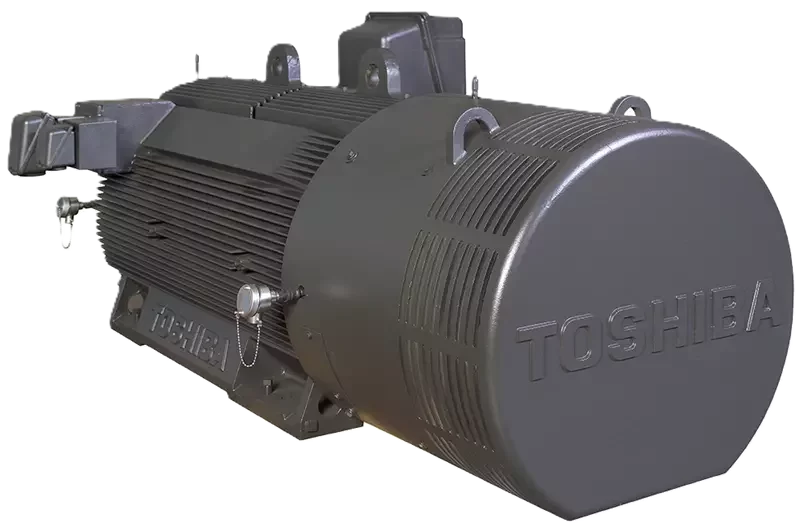
Consider VFD Compatibility
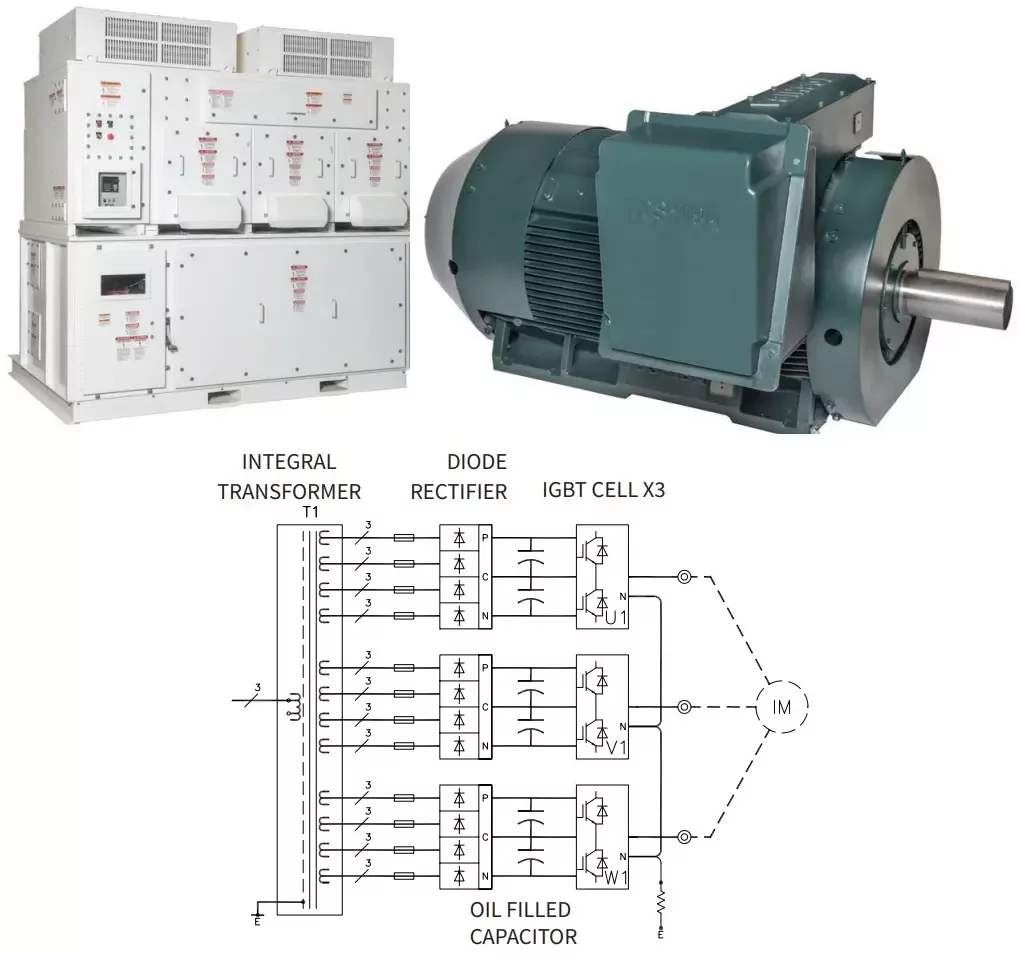
Variable frequency drives are increasingly common in industrial applications.
When operating with a VFD, evaluate:
- Inverter-duty ratings
- Bearing protection
- Shaft grounding
- Low-speed cooling requirements
Selecting a VFD-rated TEFC motor can improve reliability and equipment performance.
👉 Compare TEFC, Severe Duty, and IEEE 841 Motor Options
When Should You Upgrade to a Severe Duty Motor or IEEE 841 Motor?
Some applications exceed the capabilities of standard TEFC motors.
Common indicators that an upgrade may be warranted include:
- Frequent bearing failures
- Corrosion damage
- Excessive vibration
- Moisture intrusion
- High maintenance costs
- Critical uptime requirements
Benefits of Severe Duty Motors
Severe duty motors offer:
- Longer service life
- Enhanced corrosion resistance
- Improved bearing protection
- Better vibration tolerance
- Increased reliability
These motors are widely used in wastewater treatment, mining, aggregate processing, chemical manufacturing, and air pollution control applications.
Benefits of IEEE 841 Motors
IEEE 841 motors provide:
- Premium efficiency performance
- Superior sealing systems
- Advanced bearing protection
- Stringent vibration limits
- Enhanced factory testing
- Exceptional reliability
They are frequently specified for petrochemical, refinery, pipeline, and critical infrastructure applications where downtime is extremely costly.
Reliability and Total Cost of Ownership
While severe duty and IEEE 841 motors typically have higher initial costs, they often reduce:
- Downtime
- Maintenance expenses
- Repair costs
- Replacement frequency
For critical applications, these lifecycle savings frequently justify the investment.
TEFC Motor Replacement Best Practices
A motor replacement project should be viewed as an opportunity to improve reliability and performance rather than simply replace a failed asset.
👉 Replacing an Existing TEFC Motor?
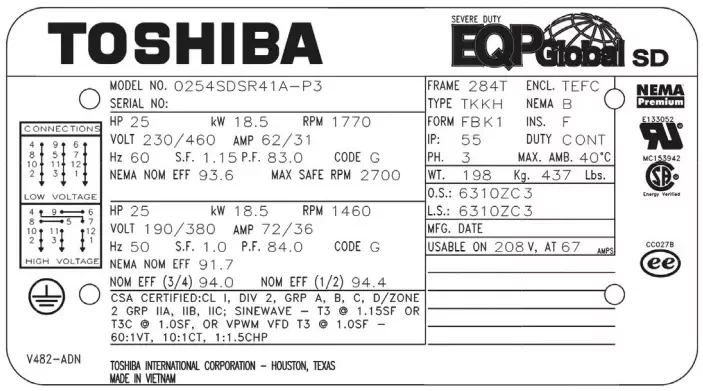
Start with the Existing Motor Nameplate
Document:
- Horsepower
- Voltage
- Current
- Speed
- Frame size
- Service factor
- Enclosure type
However, avoid assuming that the original motor selection was optimal.
Verify Actual Application Requirements
Evaluate:
- Current operating load
- Process changes
- Equipment modifications
- Environmental conditions
- Recurring failures or reliability goals
A replacement motor should be selected based on actual operating requirements.
Confirm Mechanical Compatibility
Verify:
- Frame size
- Shaft dimensions
- Mounting arrangement
- C-face requirements
- Vertical or horizontal orientation
Evaluate VFD Compatibility
If a VFD is present or planned, ensure the replacement motor is suitable for inverter-duty operation.
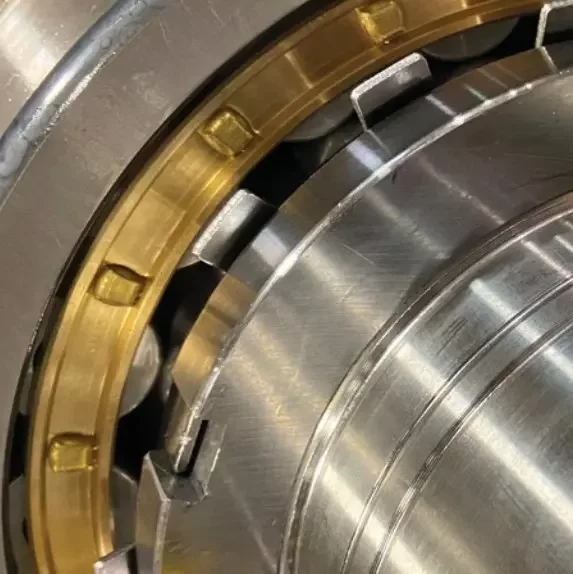
Review Bearing Protection Requirements
Optional Vibration Monitoring for Critical Motor Applications
Avoid Common Replacement Mistakes
Common errors include:
- Matching only horsepower
- Ignoring environmental conditions
- Overlooking VFD requirements
- Failing to verify frame size
- Selecting based solely on purchase price
A comprehensive evaluation typically produces better long-term results.
Partner with Clipper Controls for TEFC Motor Selection and Replacement
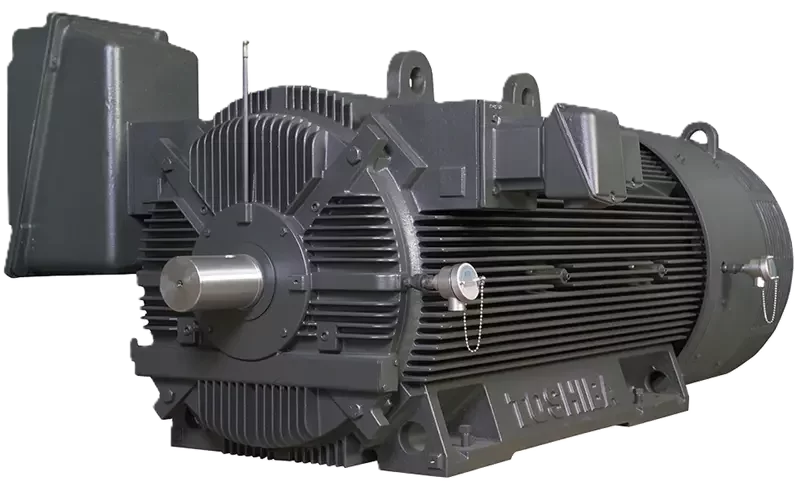
Our Team Can Assist With:
- TEFC motor selection
- Motor sizing reviews
- Motor replacement cross-referencing
- Severe duty motor evaluations
- IEEE 841 motor recommendations
- VFD compatibility assessments
- Motor and drive package solutions
- Application-specific reliability improvements
Whether your application involves wastewater treatment, mining, chemical processing, food manufacturing, HVAC systems, air pollution control equipment, or industrial process systems, selecting the proper motor can significantly improve uptime and reduce total cost of ownership.

Get Help Selecting or Replacing an Industrial TEFC Motor
👉 Improve uptime, reduce maintenance issues, and select the right motor for your operating environment. Clipper Controls can help with TEFC motor selection, Toshiba severe duty motor options, IEEE 841 recommendations, VFD compatibility, replacement cross-referencing, and motor and drive package solutions.
Frequently Asked Questions About TEFC Motors
Explore Related Pages & Supporting Systems: Toshiba Motors | Severe Duty Motors | Variable Frequency Drives | Programmable Logic Controllers (PLCs) | Process Controls | Industrial Automation Solutions
Page Navigation Links
- What Is a TEFC Motor?
- Key Advantages of TEFC Motors
- TEFC Motor vs ODP, TENV, Washdown, Severe Duty, and IEEE 841 Motors
- Common TEFC Motor Applications Across Industry
- How to Select the Right TEFC Motor
- When Should You Upgrade to a Severe Duty Motor or IEEE 841 Motor?
- TEFC Motor Replacement Best Practices
- Partner with Clipper Controls for TEFC Motor Selection and Replacement
- Frequently Asked Questions About TEFC Motors


 Toll Free
