Understanding Water Grades: Type I, USP, EP, WFI, and Other Water Standards
A technical overview of lab, pharmaceutical, and process water grades and how they differ by application.
👉 Need help identifying the right water analysis or inline monitoring approach for your process? Contact Us to discuss water quality visibility, contamination monitoring, and JM Canty solutions for critical water applications.
Explore Similar Pages: Real-Time Dynamic Imaging for Water for Injection | Industrial Process Monitoring Camera for Process Control | Gas & Liquid Analyzers for Industrial Process Monitoring | JM Canty Process Cameras, Particle Analyzers & Sight Glass Solutions | Vision-Based Systems for Industrial Process Monitoring | Water & Wastewater Treatment Process Control Solutions
The Four Main Families of Water Classification
The easiest way to understand water grades is to group them by the standards body and application.
1. Laboratory reagent water
For analytical and general laboratory use, the most common standards are ASTM D1193 and ISO 3696. ASTM defines Type I, Type II, Type III, and Type IV reagent water, while ISO defines Grade 1, Grade 2, and Grade 3 water for laboratory analysis. ASTM D1193 remains current in its 2024 edition.
2. Pharmaceutical water
For pharmaceutical production and related regulated applications, water is commonly governed by pharmacopeial standards such as USP, European Pharmacopoeia (Ph. Eur. / EP), and Japanese Pharmacopoeia (JP). These frameworks include waters such as Purified Water and Water for Injection.
3. Clinical laboratory water
Clinical and hospital laboratories often work under CLSI GP40, which uses categories such as Clinical Laboratory Reagent Water (CLRW) and other use-specific water types. CLSI’s 5th edition of GP40 was published in December 2024.
4. Medical treatment water
Water used in dialysis is governed through AAMI/ISO-based requirements and related healthcare guidance. This is a separate category from normal lab or pharmaceutical water and includes specific chemical, microbiological, and endotoxin requirements.
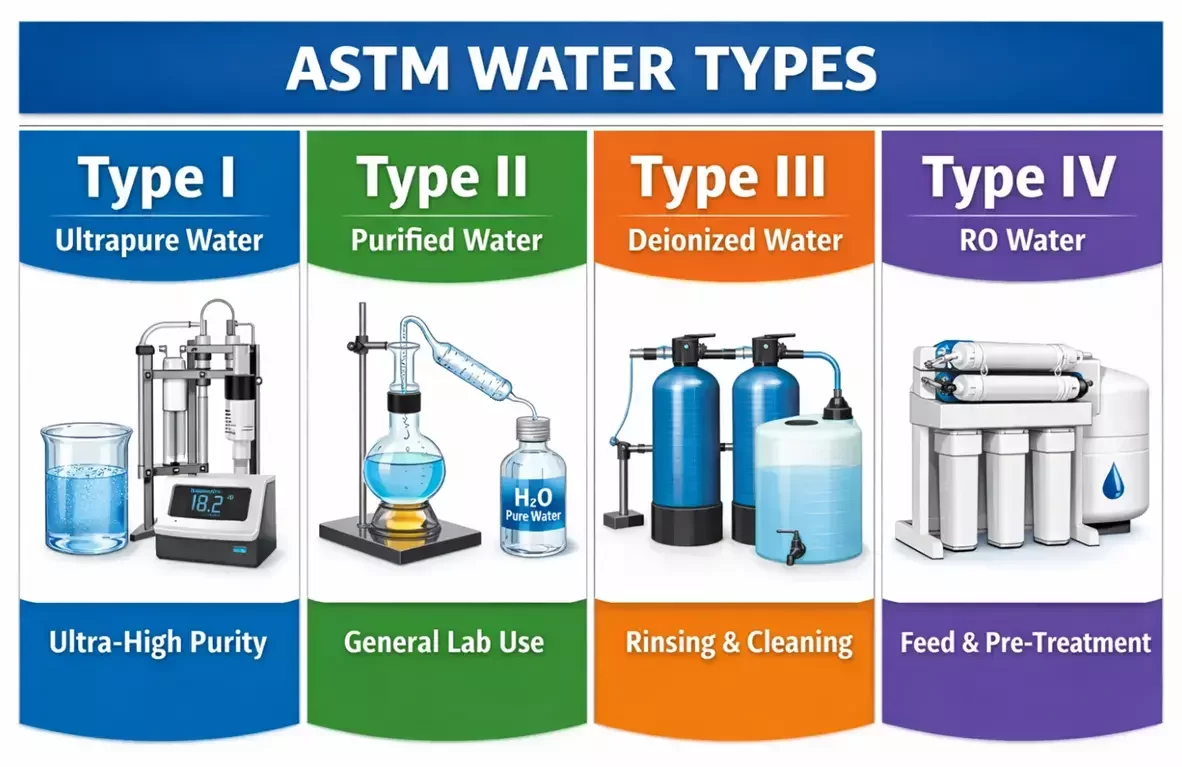
ASTM Water Types: Type I, II, III, and IV
When people casually say “Type 1 water,” they are usually referring to the ASTM D1193 reagent water standard.
Type I Water
Type I is the highest-purity ASTM reagent water and is generally used for the most demanding laboratory applications, including sensitive analytical procedures and critical instrument feed. In many labs, this is the water people informally call “ultrapure water.”
Type II Water
Type II water is commonly used for general laboratory testing, reagent preparation, and analytical work where the most stringent Type I quality is not required.
Type III Water
Type III water is often used for less critical applications such as glassware rinsing, feed water to polishing systems, and routine preparation tasks.
Type IV Water
Type IV water is generally used as pretreatment or feed water for higher-purity systems and for basic washing or rinsing tasks. It is not intended for highly sensitive analytical applications.
ASTM also notes that additional grades can be applied to these water types to address contaminants of microbiological origin.
ISO Laboratory Water Grades
- Grade 1 is the highest ISO lab-water grade.
- Grade 2 is suitable where low contamination is needed for analytical work.
- Grade 3 is typically used for routine laboratory operations.
What “USP Grade Water” Really Means
A lot of people use the phrase USP grade water as though it refers to one exact water type. In practice, USP includes multiple pharmaceutical water categories, each intended for a different use. The two most commonly discussed are Purified Water and Water for Injection (WFI).
USP Purified Water
Purified Water is widely used in pharmaceutical manufacturing for non-parenteral formulations, rinsing, cleaning, and other process applications that require tightly controlled chemical and microbiological quality.
USP Water for Injection (WFI)
Water for Injection is a higher pharmaceutical water category used where stricter control is required. USP defines WFI as water purified by distillation or by a purification process that is equivalent or superior to distillation in removing chemicals and microorganisms, with no added substances.
Sterile Water for Injection
Sterile Water for Injection is a sterile, nonpyrogenic packaged water intended primarily for use as a diluent after a suitable solute is added. It is different from bulk WFI circulating in a pharmaceutical water loop.
Sterile Water for Irrigation
Sterile Water for Irrigation is another separate pharmaceutical water category. It is intended for irrigation, washing, rinsing, and related purposes, and it is not the same thing as water intended for parenteral injection.
What EP Grade Water Means
When someone says EP grade water, they are usually referring to water that complies with a relevant European Pharmacopoeia monograph, most commonly Water, Purified or Water for Injections. That makes EP water a pharmaceutical compliance category, not simply a European version of ASTM Type I lab water.
In 2025, the European Pharmacopoeia Commission adopted revised texts for:
Water for Injections (0169)
Water, purified (0008)
Total organic carbon in water for pharmaceutical use (2.2.44)
EDQM stated these revisions would be published in Ph. Eur. 12.3 in January 2026 and enter into force on July 1, 2026.
Other Important Water Classifications
Beyond ASTM, USP, and EP, several other water classifications are worth knowing.
CLRW
Clinical Laboratory Reagent Water (CLRW) is a clinical-lab classification used for diagnostic testing environments. It reflects the needs of medical laboratories, where instrument compatibility, reproducibility, and contamination control can differ from conventional chemistry-lab requirements.
Dialysis Water
Dialysis water is governed through healthcare-specific standards and is not interchangeable with ordinary purified or lab-grade water. Even if water looks acceptable by conductivity or resistivity alone, it may still fail dialysis requirements if microbiological or endotoxin limits are not met.
WFI in Process Environments
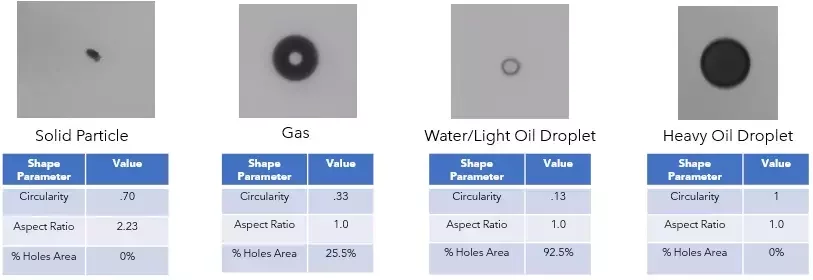
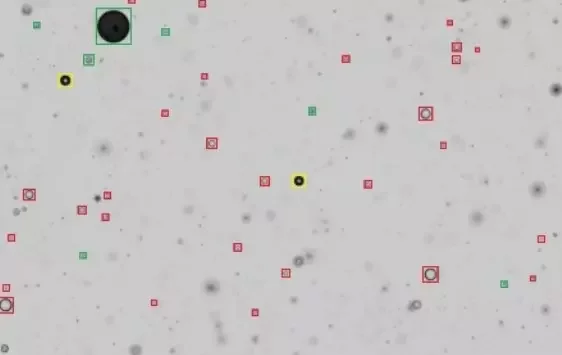
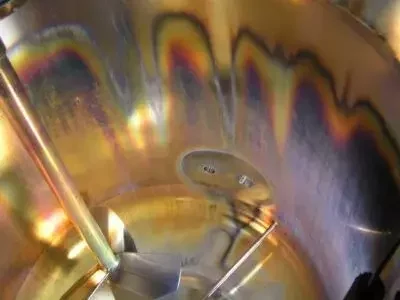
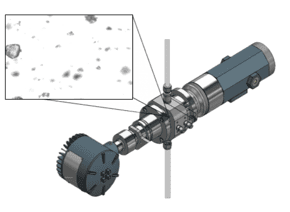
In pharmaceutical and biotech facilities, Water for Injection is one of the most closely monitored water categories because it directly affects downstream product quality, sterile processing, and compliance expectations. This is where continuous inline monitoring and contamination visibility become especially valuable.
Why These Water Grades Are Not Interchangeable
JM Canty as a Solution for Water Processing
Quick Comparison Table
| Classification | Standard Family | Typical Use | Key Point |
|---|---|---|---|
| Type I Water | ASTM D1193 | Critical analytical lab use | Highest ASTM reagent water purity |
| Type II Water | ASTM D1193 | General analytical lab work | High purity, less stringent than Type I |
| Type III Water | ASTM D1193 | Rinsing, prep, and feed to polishing systems | Lower-purity utility water for labs |
| Type IV Water | ASTM D1193 | Pretreatment and feed use | Basic feed-grade lab water |
| Grade 1 Water | ISO 3696 | High-purity lab analysis | ISO’s highest grade for its intended scope |
| Grade 2 Water | ISO 3696 | General analytical laboratory use | Lower contamination for routine analytical work |
| Grade 3 Water | ISO 3696 | Routine laboratory operations | Used for less demanding lab procedures |
| Purified Water | USP / EP / JP | Pharmaceutical processing and cleaning | Pharmaceutical utility water for regulated applications |
| Water for Injection (WFI) | USP / EP / JP | Critical pharmaceutical and biotech use | Higher pharmaceutical standard with tighter control expectations |
| Sterile Water for Injection | USP | Packaged sterile diluent applications | Not the same as bulk WFI loop water |
| Sterile Water for Irrigation | USP | Irrigation, rinsing, and washing purposes | Sterile packaged water for non-parenteral use cases |
| EP Water | European Pharmacopoeia | European pharmaceutical compliance applications | Pharmacopeial category, not simply lab ultrapure water |
| CLRW | CLSI | Clinical laboratory testing | Medical lab-specific water classification |
| Dialysis Water | AAMI / ISO | Hemodialysis and related care | Medical-treatment water with strict chemical and microbiological limits |
Water classification is really about fitness for purpose. ASTM, ISO, USP, EP, CLSI, and AAMI/ISO each describe water quality in different ways because the risks and performance requirements are different. Understanding those distinctions helps engineers, lab personnel, and process teams select the right water standard, monitor the right quality attributes, and avoid treating fundamentally different grades as interchangeable.
How Clipper Controls Supports Water Quality and Process Visibility
Understanding water grades is only part of the equation. In real-world operations, the challenge is not just knowing the difference between Type I water, Purified Water, or Water for Injection — it is maintaining consistent quality, detecting contamination early, and gaining better visibility into the process conditions that affect compliance and performance. Clipper Controls supports these efforts by helping customers identify instrumentation and monitoring solutions suited to critical water and liquid processing applications.

👉 Need help evaluating a water monitoring solution for your process? We can help!
Message Clipper Controls or call (844) 880-2469 to discuss your application and explore instrumentation options for water quality, contamination visibility, and inline process monitoring.

 Toll Free
