Skip to searchSkip to main content

​Plastic Liquid Level Switches for Corrosive and Clean Tanks

In plants that store, mix, or dose liquids, a failed level switch in a chemical day tank, polymer tote, CIP tank, or wastewater sump can mean pump damage, spills, and unplanned downtime. To reduce those risks, many facilities are turning to plastic liquid level switches in their most corrosive and demanding services.

Compared to metal designs, plastic float level switches and other non-metallic liquid level switch options use corrosion-resistant polymers that handle aggressive media, vapors, and washdown chemicals. These corrosion-resistant level switches are widely applied across water and wastewater treatment, chemical processing, food and beverage, pharmaceutical, semiconductor, and OEM skids. Clipper Controls helps plants and OEMs select the right plastic tank level switches—matching materials, mounting styles, and models from UWT to each tank, chemical, and control system.

👉  Ready to enhance your level measurement program? 

Contact Clipper Controls at (844) 880-2469 or message us to connect with an instrumentation expert.
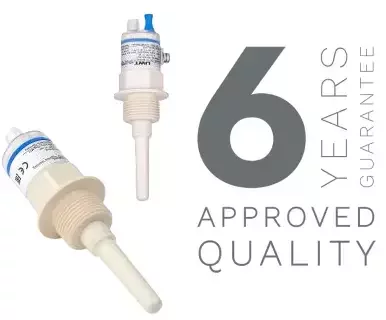
Plastic liquid level switch for corrosive and clean tank applications
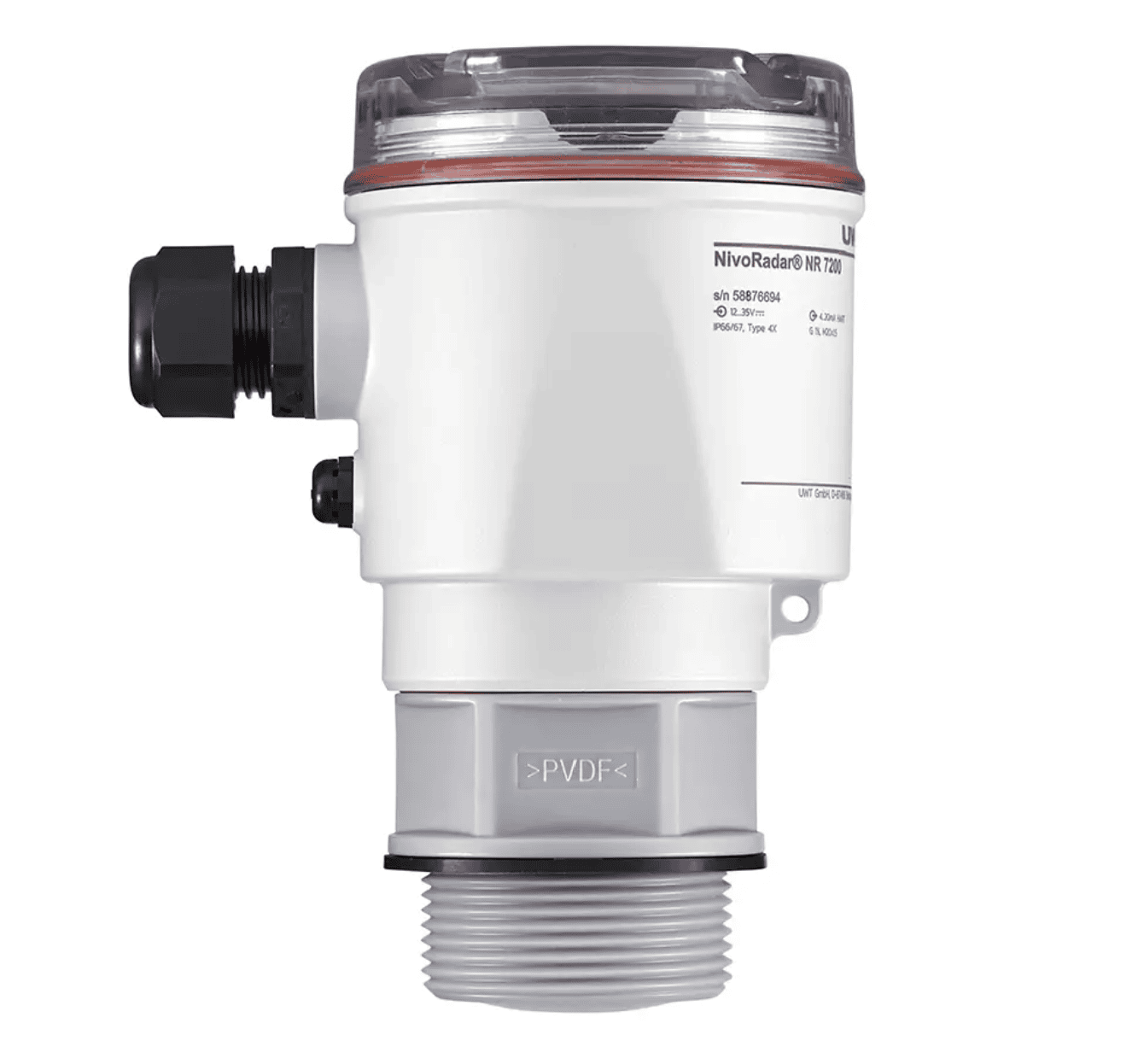
UWT NivoRadar NR 7200 plastic radar level transmitter for non-contact liquid level measurement

​Why Plastic Liquid Level Switches Are Gaining Ground in Harsh Applications
For many plants, the first generation of level instrumentation in chemical and utility service was almost always metal. Stainless steel floats, metallic chambers, and threaded connections were the default. Over time, though, maintenance and engineering teams have seen the same pattern repeat: corrosion, buildup, and sticking floats that eventually lead to nuisance trips or outright failures. That experience is a major reason plastic liquid level switches are now getting specified more often in new projects and retrofits.
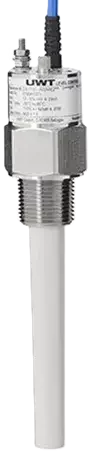
UWT Capanivo CN7100 compact plastic capacitive level switch for point level detection in liquids

Corrosion and Fouling: Why Metal Struggles

Aggressive liquids don’t just attack tank walls and piping—they attack the wetted parts of level switches as well. Even high-grade stainless steels can suffer:

  • Pitting and crevice corrosion in chloride-rich or oxidizing environments
  • Stress corrosion cracking in certain chemical and temperature combinations
  • Scaling and buildup from hard water, wastewater, or process solids
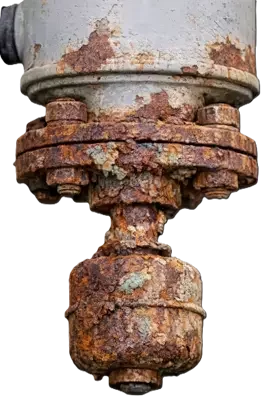
When floats start to pit, stems corrode, or moving parts accumulate buildup, the result is familiar to maintenance teams: stuck floats, intermittent contacts, and false alarms. In critical tanks—chemical day tanks, polymer makeup systems, disinfection chemical totes—those failures can impact safety, compliance, and uptime.
Corroded metal level switch removed from a chemical tank after aggressive service

How Non-Metallic Designs Solve Common Failure Modes

Modern non-metallic liquid level switch designs tackle these problems at the material level. By using plastics that are inherently resistant to many aggressive chemistries, chemical-resistant level switches can survive conditions where metal would require expensive alloys or frequent replacement.

Advantages of plastic construction include:

  • High chemical resistance in many acids, caustics, oxidizers, and salts
  • No electrochemical or galvanic corrosion in mixed-metal systems
  • Smoother surfaces that tend to foul less severely than some metallic finishes
  • Lower risk of classic metal stress corrosion cracking mechanisms

In practice, that means corrosion-resistant level switches can continue to operate reliably in storage tanks, day tanks, and dosing systems where metallic switches had to be replaced on a regular basis.

Benefits in Water and Wastewater Treatment

Water and wastewater facilities have been early adopters of plastic liquid level switches for water and wastewater applications because they combine chemical resistance with practical benefits in day-to-day plant operation.

Common use cases include:

  • Disinfection chemical tanks – Sodium hypochlorite, sodium bisulfite, ammonia, and related chemicals that attack stainless steel
  • Coagulant and polymer systems – Alum, ferric, and polymer tanks where fouling and corrosion are chronic issues
  • Sumps, wet wells, and day tanks – Simple backups or alarms where mixed liquids, debris, and cleaning agents can be tough on metal components

In these services, plastic level switches help:
  • Reduce the frequency of float replacement and associated lock-out/tag-out work
  • Minimize nuisance alarms caused by partially sticking floats
  • Improve confidence in high-level and low-level interlocks tied to pump control and overfill prevention

Expanding Into Process and OEM Environments

As plants gain confidence with plastic designs in utility systems, those same corrosion-resistant level switches are migrating into more demanding process and OEM applications:

  • Chemical processing and bulk storage – Corrosive storage tanks and scrubbers
  • OEM skids and packages – Compact plastic level switches for OEM equipment used across standardized skids
  • High-purity or specialty systems – Semiconductor, biotech, and specialty chemical systems that prefer non-metallic wetted parts

Because plastic designs are now available in vertical float level switches, horizontal liquid level switches, and compact side-mount configurations, it’s easier for controls and design engineers to keep one technology family across multiple skids, tanks, and packages—simplifying spare parts and training.

👉  Need help deciding where plastic makes sense over stainless? 

Contact Clipper Controls at (844) 880-2469 or message us to review your tank-level applications.

​Plastic vs Stainless Steel: Benefits and Tradeoffs for Float Level Switches

When you’re specifying point level devices, the choice between plastic float level switches and stainless steel often comes up early. Stainless is familiar, feels “heavy-duty,” and may already be part of plant standards. But in many tanks, especially with aggressive media, plastic liquid level switches can deliver better reliability and lower lifecycle cost. The key is understanding where each material wins—and where it doesn’t.

Corrosion and Chemical Compatibility

From a corrosion standpoint, plastic has a clear advantage in many chemical and utility applications.

Stainless steel float switches perform well in clean water and many mild process fluids but can struggle with:

  • Oxidizing chemicals (e.g., bleach, peroxide-based cleaners)
  • Chloride-rich environments common in many industrial processes
  • Certain acids and mixed chemicals where corrosion mechanisms are complex

By contrast, well-chosen non-metallic liquid level switch designs:
  • Use plastics that are inherently chemical-resistant (PP, PVC, PVDF, etc.)
  • Avoid galvanic and electrochemical corrosion entirely
  • Often tolerate splash zones and vapors that attack metal components first

For reliable level switches for aggressive media, plastic is often the better long-term fit in chemical feed tanks, neutralization systems, and scrubbers.

Temperature, Pressure, and Mechanical Limits

Where stainless steel still shines is in its mechanical robustness and high-temperature performance.

Stainless float level switches are typically the better choice when:

  • Process temperatures are high
  • Tanks operate at elevated pressure or deep vacuum
  • Mechanical abuse is likely: heavy vibration, impacts, frequent handling

Plastics, on the other hand, have:
  • Lower maximum temperature ratings than stainless
  • More sensitivity to mechanical stress, over-torquing, and pipe strain
  • Potential softening or deformation at higher temperatures

A practical rule of thumb:
  • If your primary concern is corrosion and chemical attack in ambient or moderate-temperature tanks → plastic is often the better starting point.
  • If the application is defined by high temperature, high pressure, or heavy mechanical loads → stainless (or another metal) is usually the safer default.

Safety, Compliance, and Food/Pharma Considerations

In regulated industries, material choice is influenced by safety, quality, and compliance requirements—not just process conditions.

For plastic float switches for food and beverage tanks, plastic designs are often used in:

  • CIP and cleaning chemical tanks
  • Non-product-contact utility and waste tanks

For level switches for pharmaceutical and biotech vessels, plastic designs are common in:
  • Cleaning and buffer chemical storage
  • Waste collection and neutralization tanks
  • Utility systems and non-product-contact vessels
Here, working with a partner like Clipper Controls helps align plastic liquid level switches with plant standards and documentation expectations, so you’re not just picking a material—you’re selecting a traceable, supportable liquid level monitoring device that fits your quality system.
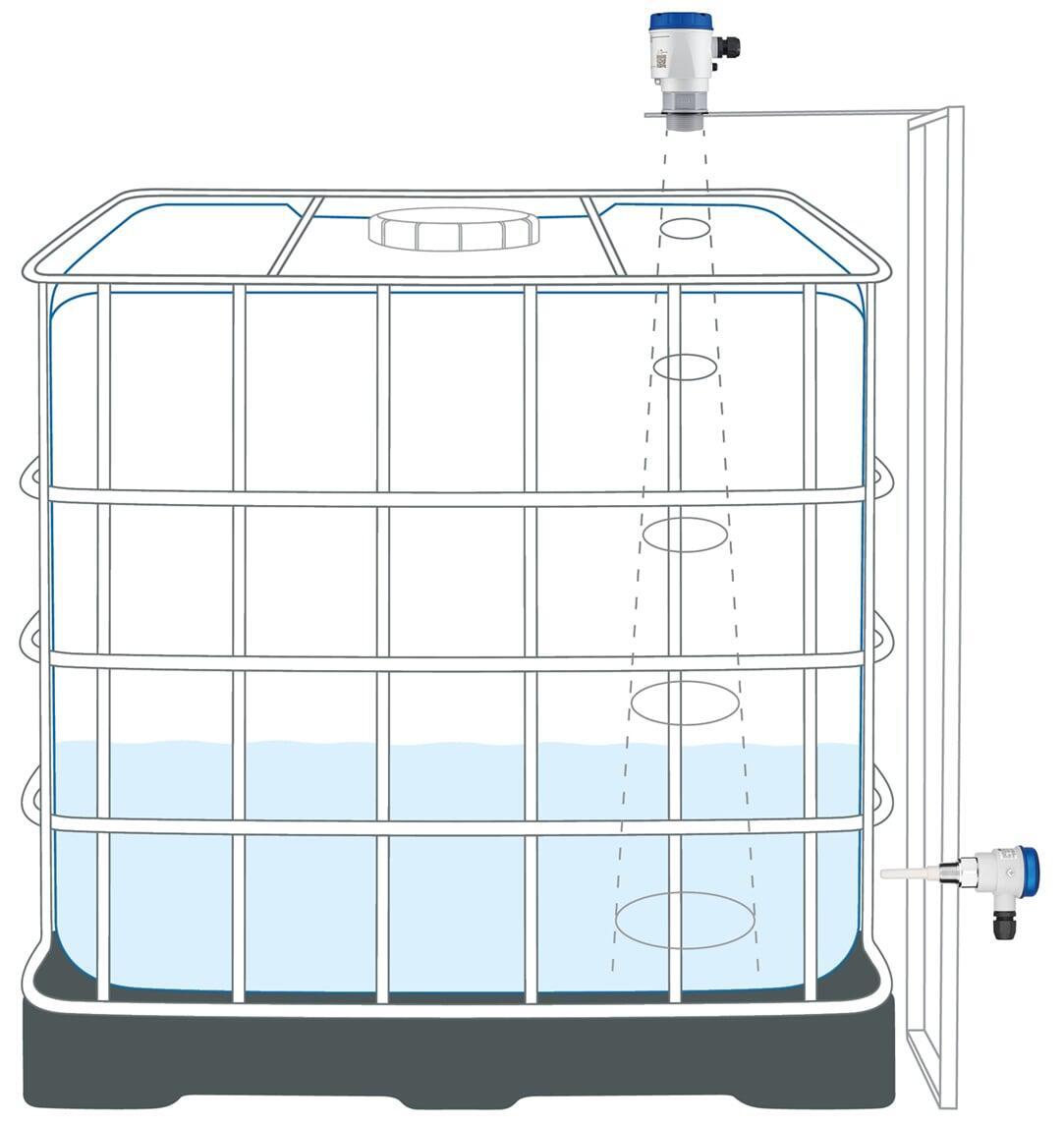
Illustration of UWT radar and side-mount level switches monitoring liquid level in an IBC tote tank
Plastic radar liquid level sensors can accurately monitor liquid levels in IBC tanks by measuring through container walls, eliminating the need for direct contact or tank modifications.

​Key Design Choices: Mounting, Orientation, and Electrical Configurations

Once you’ve decided that a plastic liquid level switch is the right fit from a materials standpoint, the next questions are about mechanics and integration. Getting the mounting style, orientation, and electrical configuration right will often do more for long-term reliability than any other single decision.

Vertical vs Horizontal / Side-Mount Level Switches

Most plastic designs fall into two broad categories: vertical float level switches and horizontal liquid level switches (often called side-mount level switches).

Vertical plastic float level switches:
  • Best for deep tanks, sumps, and stilling wells
  • Well suited to multi-point control (high/low, pump on/off, alarms)
  • Less exposed to side loads from external piping

Horizontal / side-mount plastic level switches:
  • Ideal when top access is limited or obstructed
  • Useful for retrofits where adding a side nozzle is easier than modifying the tank top
  • Effective as compact, single-point liquid level control switches at a specific elevation
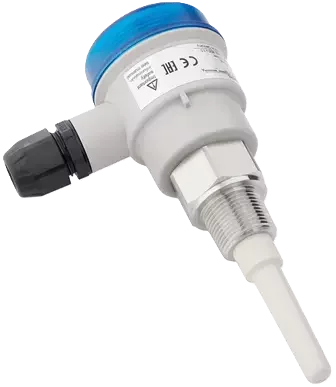
Side-mount plastic capacitive level switch with threaded process connection

Single-Point vs Multi-Point Control

  • Single-point switches – High- or low-level alarms, simple pump protection, compact OEM applications
  • Multi-point switches – Several switching levels on one stem for combined alarm and pump control, reducing the number of tank penetrations
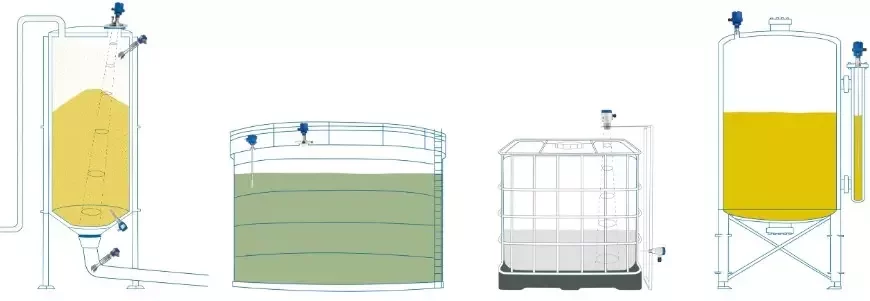
Standardizing on a small set of single- and multi-point liquid level monitoring devices can greatly simplify spares and drawings.
Illustration of point level switches on different tank types showing single-point and multi-point level control at various setpoints.
Single-point vs multi-point vs continuous: point level switches provide discrete setpoints, while radar level measurement provides continuous level feedback across the full range.

Compact Level Switches for Tanks and OEM Equipment

For OEM skids, packaged systems, and small tanks, form factor is critical. Compact plastic level switches for tanks are designed to fit:

  • Small header and day tanks
  • Chemical feed tanks on tight skid frames
  • Skids with limited overhead clearance

Key considerations:
  • Overall length and insertion depth
  • Minimum tank opening size
  • Orientation flexibility (float flip for N.O./N.C.)
  • Connector or cable options that simplify wiring

Choosing a compact, standardized design upfront allows repeated use across multiple OEM projects.

Electrical Options and Control System Integration

Most plastic float designs use reed switch technology, offering:

  • SPST (N.O. or N.C.) and SPDT contact configurations
  • Direct connection to PLC digital inputs or relay panels
  • Flexibility in implementing failsafe and alarm logic

When specifying liquid level control switches, consider load ratings, PLC input types, and fail-safe behavior to ensure predictable operation in both normal and upset conditions.

👉 Not sure which mounting style fits your tank?

Contact Clipper Controls or call (844) 880-2469 for assistance with dimensional checks and mounting recommendations.

​Matching Plastic Materials to Media: Chemical Compatibility 101

Choosing plastic liquid level switches is only half the decision. The other half is making sure the plastic materials in contact with your process are compatible with the chemicals, temperatures, and cleaning routines in your plant.

Common Plastic Materials in Level Switches

Most plastic level switches for chemical processing rely on a small group of polymers:
  • Polypropylene (PP) – Common, cost-effective, good for many acids/caustics and water/wastewater chemicals
  • Polyvinyl Chloride (PVC) – Widely used in piping; suitable for many acids and alkalis at moderate temperatures
  • Polyvinylidene Fluoride (PVDF) – High-performance; excellent resistance to strong acids, oxidizers, and higher temperatures
  • Other fluoropolymers (e.g., PFA) – Premium materials for very aggressive or high-purity chemistries
Each material has strengths and limitations; “plastic” alone does not guarantee compatibility.
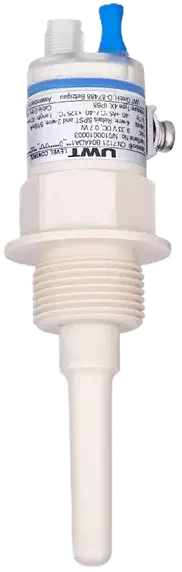
UWT Capanivo CN7121 compact chemical-resistant capacitive level switch for aggressive liquids

Using Chemical Compatibility Charts (Without Becoming a Chemist)

To use compatibility data effectively:
  • Identify the exact chemical(s) and concentration.
  • Confirm operating and upset temperature ranges.
  • Review the manufacturer’s compatibility data for PP, PVC, PVDF, etc.
  • Consider vapor and splash exposure, not just liquid contact.
  • Be conservative when conditions are close to material limits.

Clipper Controls can help interpret compatibility information and recommend appropriate materials for plastic liquid level switches for corrosive liquids.

Mechanical and Environmental Factors

Even when chemistry looks good, mechanical and environmental factors matter:
  • Temperature cycling and thermal expansion
  • Tank material and wall thickness (especially plastic and fiberglass)
  • UV exposure for outdoor tanks
  • Cleaning and washdown practices
  • Solids, scaling, and buildup that may restrict float movement

Addressing these up front helps ensure your chemical-resistant level switches perform reliably in real-world service.

​Application Examples: Where Plastic Liquid Level Switches Excel

The real strength of plastic liquid level switches shows up in specific tank and process environments. From utilities to high-purity chemistries, plastic designs give maintenance and engineering teams a practical way to get reliable level switches for aggressive media.

Water and Wastewater Treatment Plants

Typical uses for plastic liquid level switches for water and wastewater applications include:
  • Disinfection chemical tanks (bleach, bisulfite, ammonia)
  • Coagulant and polymer tanks (alum, ferric, polymer solutions)
  • Sumps, wet wells, and day tanks for backup alarms and pump protection

Plastic designs reduce corrosion issues, nuisance trips, and unplanned maintenance in compliance-critical systems.

Chemical Processing and Bulk Storage

In plastic level switches for chemical processing applications:
  • Bulk storage tanks and IBC totes use plastic switches for high-level alarms and overfill prevention.
  • Day tanks and feed tanks rely on non-metallic liquid level switch designs for pump control.
  • Scrubbers and neutralization systems use plastic switches in mixed, often harsh chemistries.

Standardizing on PP or PVDF-based switches across multiple tanks simplifies spares and engineering.
Illustration of UWT radar level transmitter measuring acid tank level through foam and vapor space

Food and Beverage Tanks

Plastic float switches for food and beverage tanks are found in:
  • CIP and cleaning chemical tanks
  • Utility and service water tanks
  • Waste and non-product-contact vessels

They protect stainless instrumentation in more sensitive areas and keep critical cleaning systems available.

Pharmaceutical and Biotech Vessels

Level switches for pharmaceutical and biotech vessels frequently include plastic designs in:
  • Cleaning and buffer chemical tanks
  • Waste collection and neutralization tanks
  • Utility and support skids

Plastic level switches help manage aggressive cleaning chemistries and mixed waste streams.

Semiconductor Chemical Delivery Systems

In plastic level switches for semiconductor chemical delivery systems:
  • Non-metallic wetted parts support high-purity and ultra-corrosive chemistries.
  • Compact switches fit in tight chemical cabinets and day tanks.
  • PVDF and fluoropolymer construction aligns with stringent compatibility requirements.

OEM Skids and Packaged Systems

For plastic level switches for OEM skids and packages:
  • Chemical feed and dosing skids can standardize on compact plastic level switches for OEM equipment across different chemistries.
  • Water treatment and filtration skids use plastic switches for process and waste tanks.
  • Utility and HVAC skids benefit from consistent, easy-to-wire level hardware.

Standardization streamlines documentation, wiring, and spare parts for OEMs and end users.

👉  Designing a new skid or upgrading plant tanks? 

Clipper Controls can recommend plastic level switches tailored to your industry.

​UWT Plastic Liquid Level Switch Solutions from Clipper Controls

Selecting the right plastic liquid level switches isn’t only about materials and mounting styles—it’s also about choosing proven product families. Clipper Controls works closely with UWT to provide plastic level switch solutions that fit real-world plant conditions.

UWT Plastic Float Switches for Corrosive Media

UWT plastic liquid level switches are designed for harsh and corrosive applications such as:
  • Chemical storage and day tanks
  • Water and wastewater chemical dosing systems
  • Utility and process sumps

Typical attributes of UWT Level float switches for corrosive media include non-metallic wetted parts (e.g., PP, PVDF), vertical and side-mount options, and compact designs suitable for small tanks and OEM skids.

How Clipper Controls Adds Value

With Clipper Controls plastic level switch solutions, you get more than a catalog:
  • Media and materials review for proper chemical compatibility
  • Mounting style and form factor selection (vertical, side-mount, compact)
  • Control-system alignment (contacts, ratings, wiring guidance)
  • Support for standardization programs across plants or OEM product lines

By combining UWT plastic liquid level switches and local engineering support, Clipper Controls delivers comprehensive tank level instrumentation tailored to your applications.

​Installation and Maintenance Best Practices for Plastic Level Switches

Even the best-specified plastic liquid level switches can underperform if they’re installed or maintained incorrectly.

Mounting and Mechanical Considerations

Key best practices:

  • Use proper torque on plastic threads—avoid over-tightening.
  • Choose sealants compatible with plastics (PTFE tape or approved sealants).
  • Support external piping and conduits so the switch isn’t a structural member.
  • Match mounting hardware to tank material and wall thickness, especially for plastic and fiberglass tanks.

Electrical and Control Checks

At commissioning:

  • Verify contact operation by manually actuating the float.
  • Document and confirm N.O./N.C. behavior.
  • Protect reed contacts from overload by using interposing relays when needed.

Inspection and Maintenance Routines

Recommended:

  • Periodic visual inspection for discoloration, swelling, cracking, or damage.
  • Check for buildup and verify free float movement, especially in scaling services.
  • Functional testing during planned outages to confirm alarms and control actions.

These practices help keep reliable level switches for aggressive media operating as intended over the long term.

​Specification Checklist: How to Choose Plastic Liquid Level Switches for Chemical Tanks

When you’re specifying plastic liquid level switches for chemical tanks, a structured checklist keeps projects moving and reduces rework.

1. Process Fluid and Operating Conditions

Chemical name(s), concentration, and blends

  • Normal and upset temperatures
  • Pressure conditions and venting
  • Vapor, splash, and washdown exposure

2. Tank Construction and Geometry

  • Tank material and any internal lining
  • Tank size, shape, and internals (baffles, mixers, etc.)
  • Existing or planned nozzles and openings

3. Mounting Style and Switching Points

  • Top, side, or external chamber mounting
  • Single-point vs multi-point requirements
  • Functional roles: alarms, pump start/stop, protection trips

4. Electrical Interface and Control Logic

  • PLC/relay system details and input types
  • SPST vs SPDT contact requirements
  • Load characteristics and failsafe philosophy

5. Standards, Approvals, and Site Preferences

  • Plant or corporate standards and preferred manufacturers
  • Any relevant safety or regulatory requirements
  • Spares and standardization strategy across tanks and sites

Summarizing these items in a simple spec sheet makes it easy to collaborate with Clipper Controls and quickly narrow down suitable Clipper Controls tank level instrumentation options.

​How Clipper Controls Helps Engineers and Maintenance Teams Standardize Level Switches

Specifying a good plastic liquid level switch is one thing. Rolling that success out across an entire plant—or across multiple OEM projects—is another. This is where Clipper Controls plastic level switch solutions help maintenance, engineering, and OEM teams move from one-off fixes to a standardized tank level instrumentation strategy.

Application Engineering, Not Just Part Numbers

Clipper Controls starts with your application:

  • Process review (chemicals, tanks, environment)
  • Functional requirements (alarms, pump control, interlocks)
  • Material and mounting recommendations tailored to each service

Support Across Industries and Project Types

The same team helps you apply plastic switches consistently across:

  • Water and wastewater treatment
  • Chemical processing and bulk storage
  • Food and beverage utilities and CIP systems
  • Pharmaceutical and biotech utilities and waste
  • Semiconductor chemical delivery systems
  • OEM skids and packaged systems


Clipper Controls technical specialist assisting customers with tank level applications
UWT Level Logo

👉 We support projects across California, Nevada, and Hawaii with local engineering, calibration, and field integration.
Contact Clipper Controls or call (844) 880-2469 to discuss your level measurement application with a specialist.

​Frequently Asked Questions

What is a plastic liquid level switch?

A plastic liquid level switch is a point-level device with plastic wetted parts, typically using either a buoyant float with an internal reed switch or a solid-state capacitive sensor to detect when liquid reaches a set level in a tank, sump, or vessel.

Where are plastic liquid level switches typically used?

They’re widely used in chemical storage tanks, water and wastewater treatment systems, CIP and cleaning tanks, utility and waste vessels, and OEM skids where corrosion resistance is important.

When should I choose a plastic level switch instead of stainless steel?

Choose plastic liquid level switches when corrosion and chemical attack are the main concerns and temperatures and pressures are moderate; stainless is better for high-temperature, high-pressure, or heavy mechanical-duty applications.

Are plastic liquid level switches compatible with corrosive chemicals?

Yes—many plastic float level switches use materials like PP, PVC, or PVDF that withstand acids, caustics, oxidizers, and salts, but compatibility must be checked against your specific chemical, concentration, and temperature.

What mounting options are available for plastic tank level switches?

Plastic level switches are available as vertical float level switches mounted from the top of the tank and horizontal / side-mount level switches installed through the sidewall, in both single-point and multi-point configurations.

What information do I need to specify a plastic liquid level switch?

You’ll get the best result by providing the process fluid, concentration, temperature, tank material and nozzle details, desired mounting style, number of switching points, and basic control-system information (PLC vs. relay, voltage, contact type).

Why work with Clipper Controls for plastic liquid level switches?

Clipper Controls represents UWT plastic liquid level switches for chemical tanks, and provides local application engineering to match materials, mounting, and electrical options to your tanks, chemicals, and control systems.