Sewer Overflow Monitoring Systems for Compliance, Reliability, and Real-Time Response
Why Sewer Overflow Monitoring Matters: Regulatory, Environmental, and Public Health Drivers
- Protecting waterways and ecosystems
- Reducing public health risks from contamination
- Ensuring compliance with discharge permits and reporting mandates
- Improving operational awareness across wastewater collection systems
👉 Learn how Clipper Controls supports environmental compliance monitoring with advanced instrumentation and system integration solutions.
Explore Similar Pages: Flow Instrumentation Products for Liquid & Gas | Flare Gas Meters & Flare Solutions | Oil & Gas Pipeline Process Control Applications | Types of Mass Flow Meters: Choosing the Right Technology | Kurz Instruments – Thermal Mass Flow Meters for Gas Measurement | Ultrasonic Sound Speeds in Solids and Liquids (Application Note)
Core Components of a Sewer Overflow Monitoring System
An effective sewer overflow monitoring system combines rugged instrumentation, reliable data acquisition, and intelligent alerting to deliver actionable insights in real time.
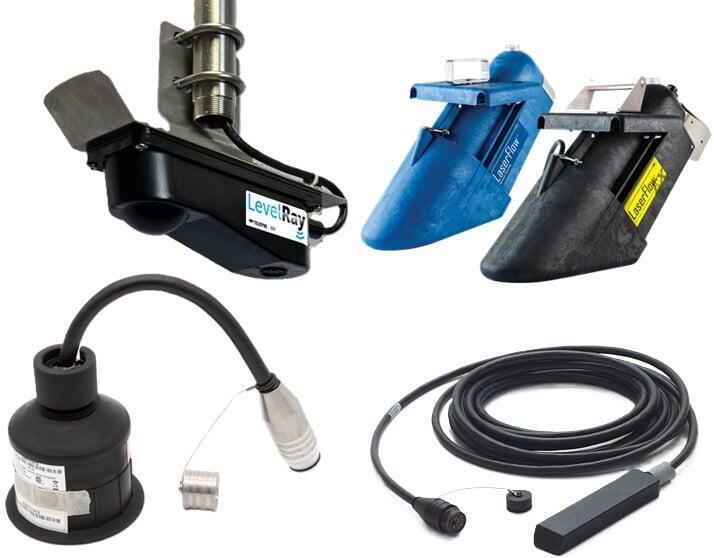
Sewer Level Sensors
- Radar Level Sensors: Non-contact, highly accurate, and ideal for harsh sewer environments with condensation, turbulence, or debris
- Ultrasonic Level Sensors: Cost-effective and suitable for open channel applications, though performance can be affected by vapors or obstructions
- Pressure (Hydrostatic) Level Sensors: Submersible and reliable for confined spaces, measuring level based on liquid column pressure
Sewer Flow Measurement Technologies
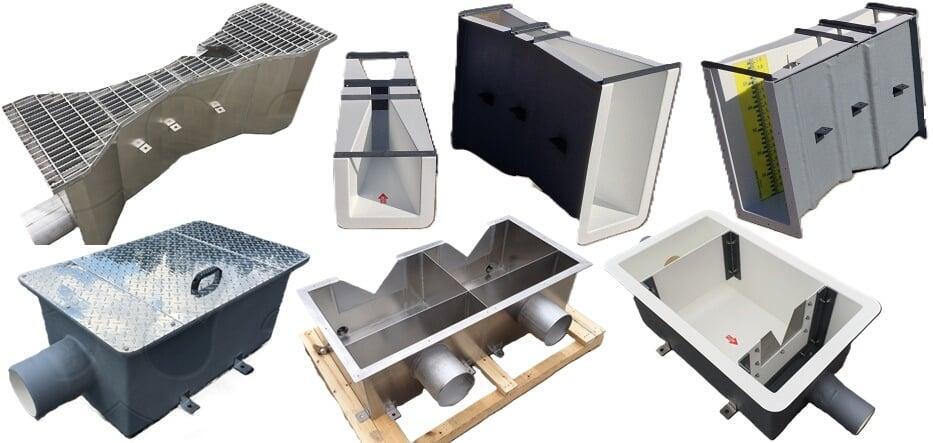
- Open Channel Flow (Weirs and Flumes): Widely used for compliance monitoring with established calibration standards
- Area-Velocity Sensors: Measure both level and velocity for dynamic flow conditions
- Non-Contact Flow Systems: Reduce maintenance by avoiding direct exposure to wastewater
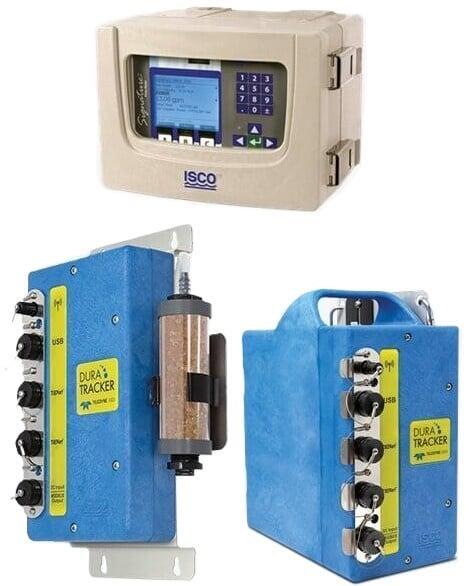
Sewer Telemetry and Data Loggers
- Battery-powered or solar operation for remote sites
- High-resolution data logging for trend analysis
- Edge processing for event detection and alarm triggering
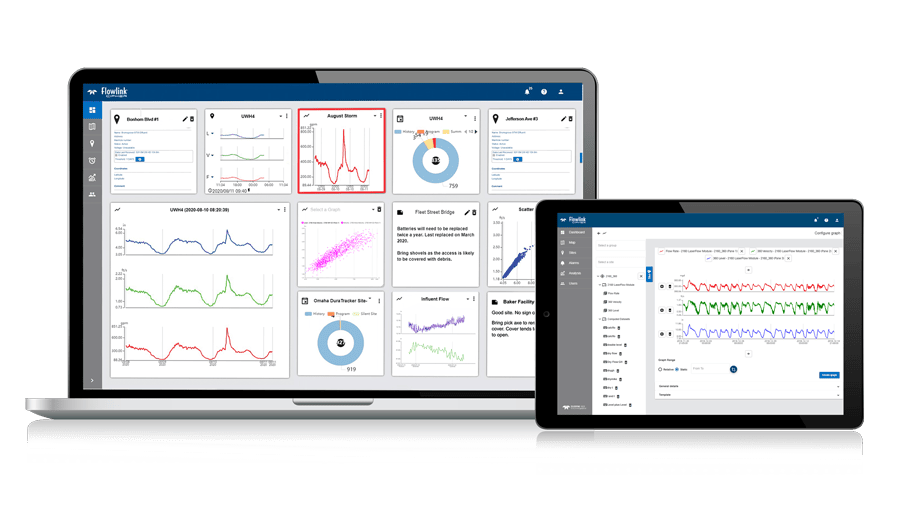
Real-Time Sewer Overflow Alerts
- Configurable alarm thresholds
- Event-based alerts via SMS, email, or SCADA
- Escalation workflows for critical conditions
👉 Explore flow instrumentation and monitoring solutions with Clipper Controls to build a reliable sewer overflow monitoring system.
System Design Considerations for Reliable Sewer Monitoring
Site Selection
- Metering manholes and interceptors
- Lift stations and pump stations
- Overflow outfalls
Power Supply
- Long-life battery systems
- Solar-powered configurations with energy-efficient devices
Communication Protocols
- Cellular networks for widespread coverage
- Radio systems for localized networks
- Satellite communication for remote or hard-to-reach areas
SCADA Integration and Cloud Connectivity
- SCADA platforms for centralized control and visualization
- Cloud-based sewer monitoring platforms for remote access and data sharing
Data Management, Analytics, and Compliance Reporting
- Level thresholds
- Rate-of-rise calculations
- Flow anomalies
- Early warning alerts
- Trend analysis for predictive maintenance
- Reduced false alarms through data validation
- Event logging with timestamps and duration
- Data archiving for audits
- Report generation aligned with EPA and local requirements
Maintenance and Reliability in Harsh Sewer Environments
- Selecting corrosion-resistant materials and non-contact sensors
- Installing sensors in accessible locations for safe maintenance
- Performing routine inspections and calibration checks
- Implementing redundancy for critical monitoring points
- Using self-cleaning or low-maintenance sensor designs where possible
Centralized Monitoring with ClipperView
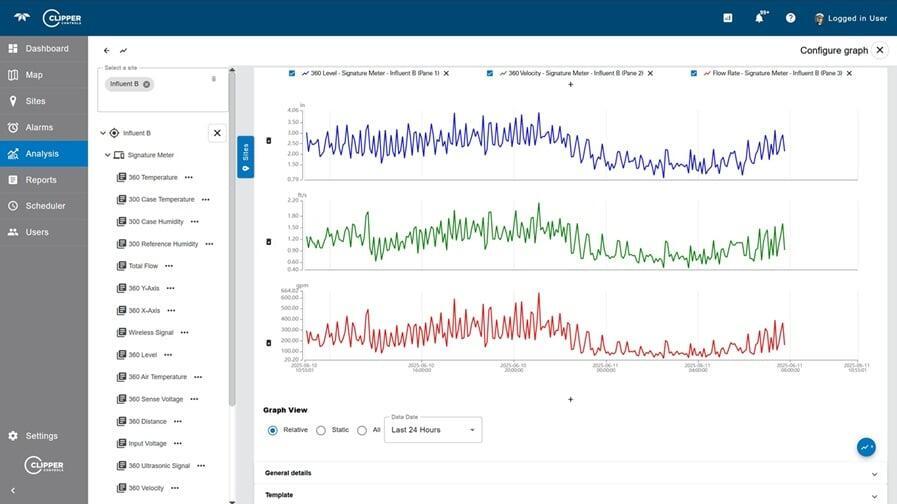
As sewer monitoring systems grow in complexity, centralized visibility becomes essential. ClipperView provides a powerful platform for managing sewer overflow monitoring across multiple sites.
Key Capabilities of ClipperView
- Centralized Visualization: View all monitoring locations through intuitive dashboards
- Remote Sewer Monitoring: Access real-time data from anywhere
- Alarm Management: Configure alerts, escalation paths, and notifications
- Compliance Reporting: Automate reporting workflows for regulatory requirements
- System Integration: Seamlessly connect with SCADA systems and cloud platforms
- Improve response times to overflow events
- Enhance operational efficiency
- Maintain regulatory compliance with confidence
Building a Smarter Sewer Monitoring Strategy
- Faster response times through real-time alerts
- Improved compliance with automated reporting
- Reduced environmental and public health risks
- Enhanced operational efficiency across the wastewater network

👉 Ready to improve your sewer monitoring strategy?
 Toll Free
